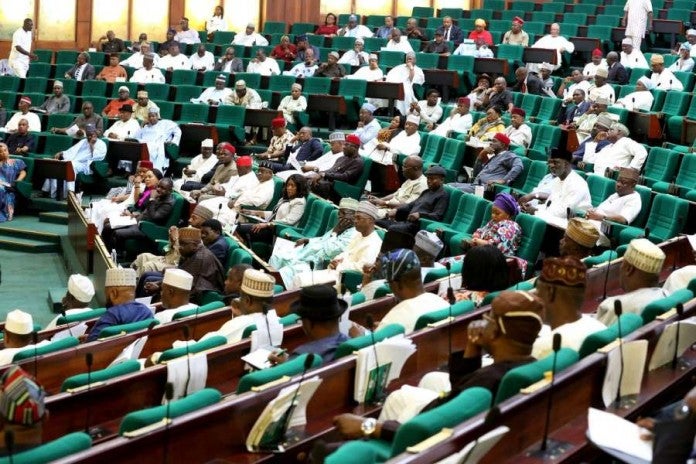

The House of Representatives Public Accounts Committee (PAC) has commenced an investigation into the Central Bank of Nigeria (CBN), the Nigerian National Petroleum Company Limited (NNPCL), and other revenue-generating agencies over allegations of unremitted operating surpluses running into trillions of naira.
The probe followed submissions made during the committee’s investigative hearing on Tuesday, where officials of the Office of the Accountant-General of the Federation (OAGF) alleged that the CBN had yet to remit approximately ₦5.3 trillion in operating surplus due to the Federal Government.

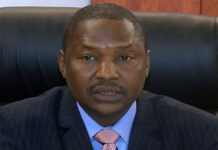
Director of Revenue and Investment at the OAGF, Makinde Mogaji, told lawmakers that the outstanding amount had accumulated since early last year. He stated that despite previous directives from the National Assembly, the apex bank had not complied with requests to remit the funds into the Consolidated Revenue Fund (CRF).
The committee, chaired by Rep.
Bamidele Salam, also examined the financial operations of the NNPCL. According to testimony presented by the OAGF, the national oil company had allegedly failed to fully cooperate with post-revenue reconciliation exercises conducted by relevant government agencies.
Committee member Rep. Gboyega Nasir Isiaka expressed concern over Nigeria’s low revenue-to-GDP ratio, stressing that full remittance of statutory revenues by major government-owned enterprises is critical to improving the country’s fiscal position.
He called for a comprehensive forensic review of the assets, revenues and operating surpluses of the affected agencies to ensure transparency and accountability.
Read Also:
The hearing also focused on allegations that the Office of the Accountant-General had made automatic deductions from the accounts of several Ministries, Departments and Agencies (MDAs), including the Universal Basic Education Commission (UBEC) and the National Agency for Science and Engineering Infrastructure (NASENI).
Lawmakers heard that about ₦31 billion was reportedly deducted from UBEC’s statutory funds, prompting concerns over the impact on the implementation of education programmes.
Responding to the allegations, Accountant-General of the Federation, Shamseldeen Babatunde Ogunjimi, explained that the deductions were part of a government cash management strategy approved by the supervising ministry to temporarily utilise idle public funds for national financial obligations.
He maintained that the funds were treated as temporary internal loans and refunded upon request, citing the reimbursement of over ₦300 billion to the Tertiary Education Trust Fund (TETFund) as an example.
However, members of the committee questioned the legality and implications of the deductions, warning that such practices could disrupt the operations of government agencies and delay the execution of critical public projects.
To deepen the investigation, the Public Accounts Committee directed the Office of the Accountant-General to submit a detailed and audited report outlining the outstanding obligations of the CBN and NNPCL, as well as comprehensive records of all automatic deductions and pending refunds involving federal MDAs.
The committee said the documents would guide further legislative action aimed at strengthening fiscal accountability and improving public financial management.