


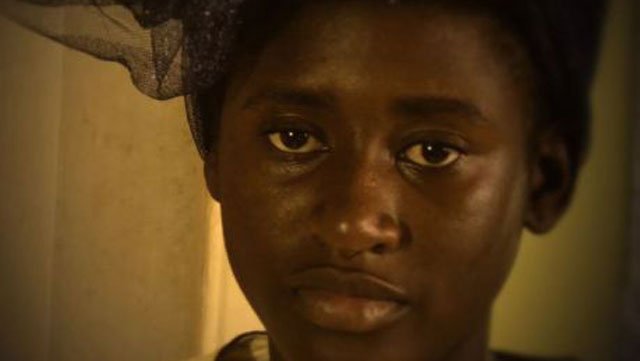
Adaeze

Following a successful tour to two memorial sites in Bristol, U.K., Georgian House Museum, Greenbank Cemetery plus ‘the Bearpit’ in October for Black History month and contributing to ‘Journey to Justice Bristol’ programme between August and October 2017, Daughters of Igbo Woman will berth in Lagos, Nigeria, for the delight of film lovers. The producers of film are looking forward to another impressive outing in Lagos; the film is open for a possible tour of other cities in the country.
Three African writers – Ros Martin (U.K.), Akachi Adimora-Ezeigbo (Nigeria) and Vida Rawlins (St. Kitts) are united in weaving this moving tale in memory of Fanny Coker (Fanny being shortened form of Fumnanya (1767-1820) to mark her 250 birth anniversary and to commemorate International Slavery memorial day.
Read Also:
Daughters of Igbo Woman is a literary film that recaptures and renders audible and visible the forgotten voices and lives of three generations of 18th century African women from one family permanently separated by the Trans-Atlantic Slave Trade’s inhumanity. Utilising University of Bristol’s 18th Pinney Archive papers, the trilogy digital shots that comprise Daughters are scheduled for screening at Freedom Park tomorrow, Monday, November 13 at 6.30pm; it serves as an extension of the Lagos Book & Arts Festival (LABAF) 2017 that formally ended yesterday.
The Artistic Director, Martin, said, “It is an absolute thrill and honour for Daughters to be launched on Nigerian soil, where the narrative begins, linking our common ancestry for those of us in the diaspora. We, African women writers, have evoked ancestors’ voices into landscapes of our residence, in bringing together the three film shots we symbolically reconnect to honour our common ancestral spirits, who endured forced migration, separation and loss!”
The first part of the trilogy opens with Prof. Adimora-Ezeigbo rendering abu akwa (dirge) in memory of Ojiugo in the wake of her daughter’s disappearance. Set in 1764 Uga in present day Anambra State, South Eastern Nigeria, the time is during the boom of slave trade, when activities of headhunters were rampant with women and children often falling victims of wars and raids.
Similarly, while Adaeze ends up on a sugar plantation in the Caribbean, her daughter, Fumnanya, is taken to Bristol, U.K. and her mother is emotionally forced to pen her an effusive letter.
The film has been sponsored using public funding by the Arts Council of England and supported by Bristol Culture, The Georgian House Museum and Journey to Justice. There is no gate fee and It is a must see for all! For more information, kindly visit :https://daughtersofigbowoman. wordpress.com or email: [email protected]
Source: G Entertainment