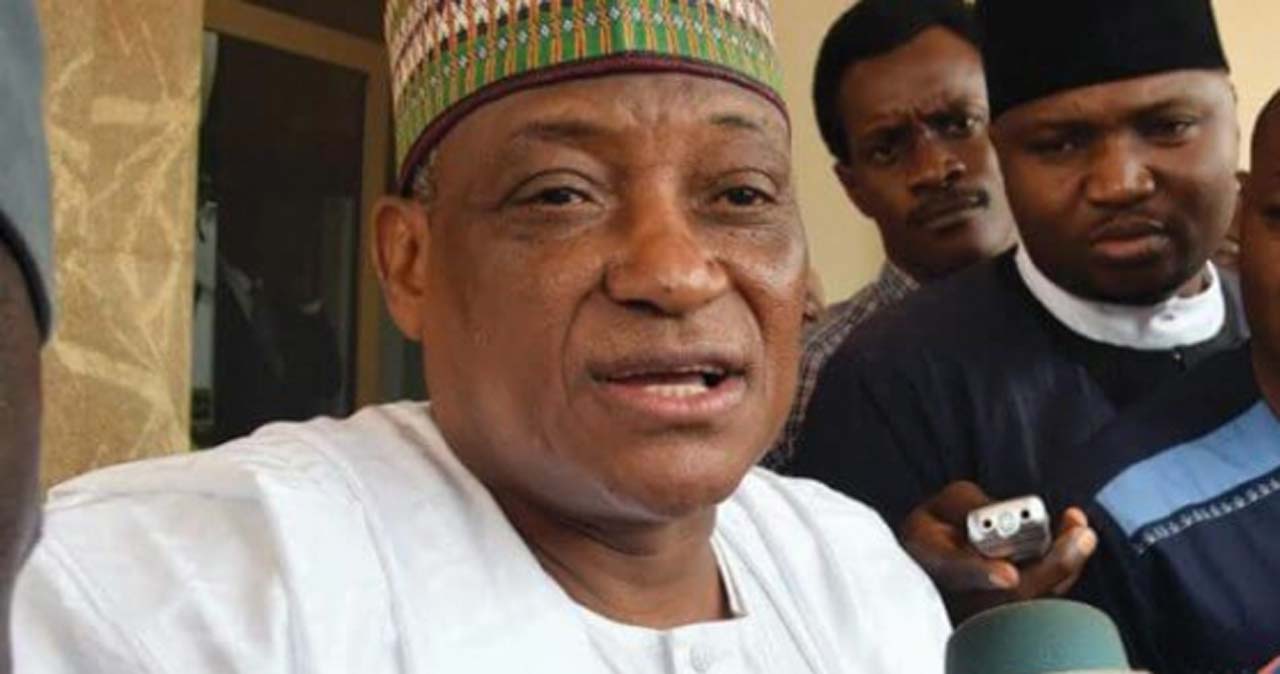


[FILES] Minister of Defence, Mansur Dan Ali

The committee set up by the Ministry of Defence to unravel the causes of frequent farmers/herders has clashes blamed illiteracy, among other factors, for the killings and destruction of property in different parts of the country.
It submitted the report yesterday to the Minister of Defence, Mansur Ali, after six months of traversing the country and discussing with stakeholders.
Highlights of the report also showed that the shrinking of the Lake Chad Basin, which used to be source of water for cattle, resulted in herders having to move their cattle outside their locality for survival, resulting in skirmishes with farmers.
The committee also identified issues of climate change, which had serious negative impact on both the herdsmen and the farmers, as primary cause of the conflict.
It, therefore, recommended ranching, among others, to stop the conflicts and killings.
Chairman of the committee, Brig.-Gen. Umar Ibrahim, expressed the need for the federal, states and local councils to increase the literacy level among the people of the affected areas to stem the conflicts.
Read Also:
Towards redressing the shrinking Lake Chad basin, he called Lake Chad Basin Commission (LCBC) countries to come together and work with international support to stop the lake from receding further.
Ibrahim noted that most of the old cattle grazing routes had been taken over by development as population increased, adding that, if possible, new pastoral routes should be opened.
Earlier, the chairman had told the minister that the work of the committee took them to Benue, Nasarawa, Zamfara, Katsina, Adamawa and Taraba states.
“We met the Miyetti Allah representatives, farmers’ representatives, governors and most stakeholders, and all the groups made sincere contributions to resolve the crisis.,” he said.
Receiving the report, Ali said: “As you are aware, the violent conflicts between nomadic herders and agrarian communities in Nigeria have escalated in recent years and are threatening our nation’s security and political stability.
“Those conflicts were historical conflicts, though recently they assumed more dangerous dimensions. Previous response to address the crisis at the federal, states and council levels had been poor.
“The present administration under the leadership of President Muhammadu Buhari has taken immediate steps to address the problem. Efforts were made by the government to reform livestock management practices, address negative environmental trends and curb cross-border movements of both cattle-rearers and armed herders.”