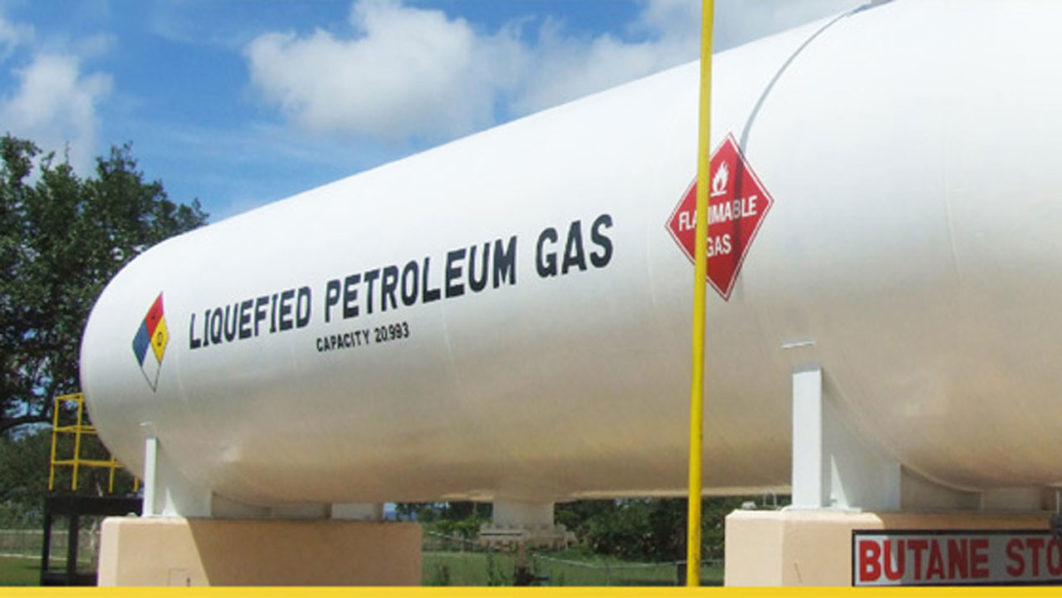


LPG

The continuous rise in the price of Liquefied Petroleum Gas (LPG), otherwise called cooking gas in Nigeria, may continue for a while if challenges relating to foreign exchange, infrastructure, and planning are not addressed now.
More Nigerians may be forced to revert to alternative unclean energy sources like firewood, and other dirty fuels.
This was the position of the Executive Secretary, National Association of Liquefied Petroleum Gas Marketers (NALPGAM), Bassey Essien, and the National Chairman, Liquefied Petroleum Gas Retailers, a branch of Nigeria Union of Petroleum and Natural Gas Workers (NUPENG), Chika Umudu, who spoke to The Guardian in separate interviews.
Essien said since the LPG market is deregulated, it means its price is determined by the prevailing exchange rate of the naira to the United States dollar.
He said: “Though we produce LPG locally, it is very unfortunate that the price of both the locally produced and the imported product, is determined by the prevailing exchange rate.
The price, really, is a function of global pricing templates.
“Also, for the fact that our refineries are not working well, Nigeria cannot help the situation.
Read Also:
Internally, we have to depend on the LPG provided by Nigeria LNG Limited (NLNG), which is priced internationally.
“Though the issues of global oil price and weather are relevant factors, the weak naira exchange rate to the dollar, remains a major concern.”
Similarly, Umudu decried the bad state of the market, saying that but for the weakness of the naira, and the dearth of infrastructure, Nigeria should be experiencing a drop in the price of the product.
“Considering the peculiarities of the Nigerian market, LPG price will continue to rise unless we resort to good planning backed by infrastructural development.
“If the price continues to rise, we may see more Nigerians going back to alternative energy sources like firewood, especially in the rural-urban centres.
The use of LPG is actually slowing down now, and areas like Lagos, Abuja, Port Harcourt, among others, are affected.”
Umudu noted that governments in other climes take charge and prevent the industry from plummeting, adding that it was a shame that Nigeria, a hydrocarbon giant, could watch its LPG industry sink.
“If LPG stakeholders don’t improve their planning strategy for the industry, we may go back to where we were coming from.
We need to develop infrastructure; government should continue to show interest in the sector.
The NLNG intervention is not enough,” he warned.
Source: G Business