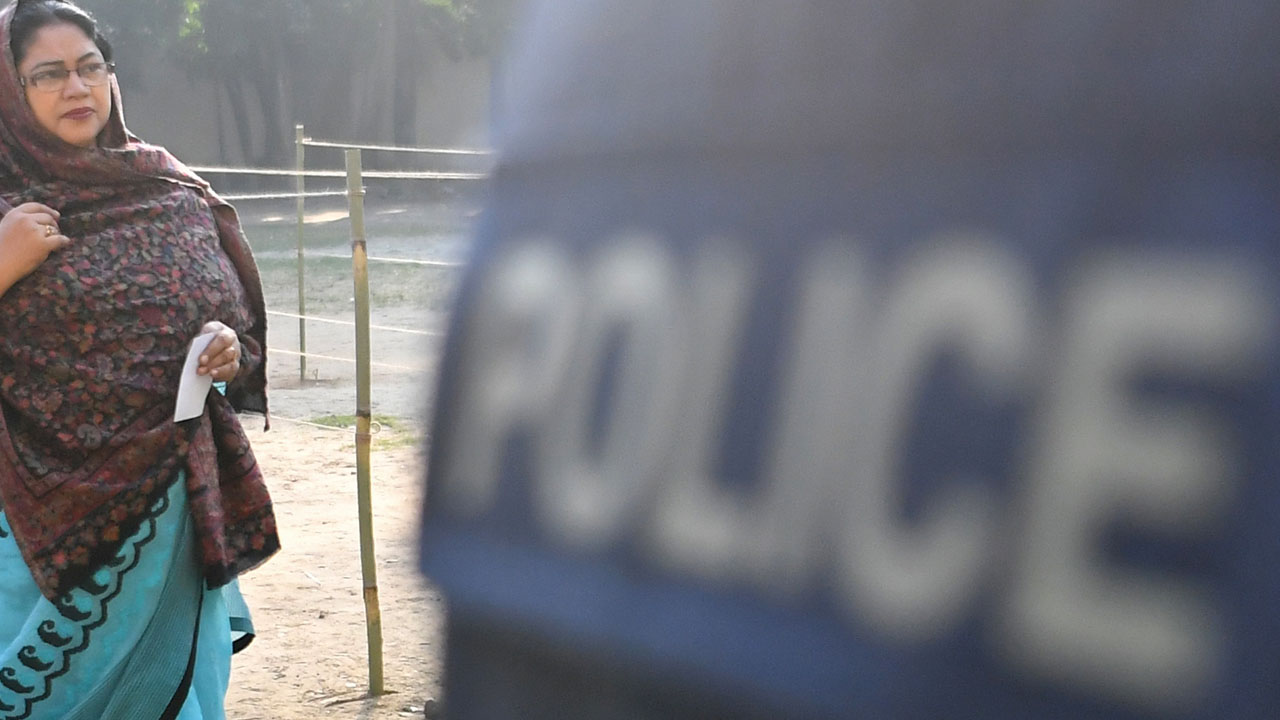


Bangladeshi voters wait in line outside a polling station in Dhaka on December 30, 2018. – Bangladesh headed to the polls on December 30 following a weeks-long campaign that was dominated by deadly violence and allegations of a crackdown on thousands of opposition activists. (Photo by Indranil MUKHERJEE / AFP)

Bangladeshi police Tuesday fired rubber bullets and tear gas as thousands of striking workers in the South Asian country’s huge garment industry staged protests for a third day demanding wage hikes.
Bangladesh’s 4,500 textile and clothing factories exported more than $30 billion worth of apparel last year, making clothing for retailers such as H&M, Walmart, Tesco, Carrefour and Aldi.
Police said more than 5,000 workers blocked a national highway at Hemayetpur outside the capital Dhaka and clashed with them for hours after they walked out of their factories.
“At least 12 policemen were injured after they threw rocks at our officers. We fired tear gas and rubber bullets to disperse the protesters. Twelve factories were shut down,” police official Sana Shaminur Rahman told AFP.
Read Also:
The online edition of the Manabjamin newspaper said at least 50 protesters were injured in waves of clashes, which also spread to garment factory hubs in Dhaka, Ashulia and Uttara involving thousands more workers.
The protests are the first major test for Prime Minister Sheikh Hasina since winning a fourth term in December 30 elections marred by violence, thousands of arrests and allegations of vote rigging and intimidation.
Bangladesh raised the minimum monthly wage for the garment sector’s four million workers by 51 percent to 8,000 taka ($95) from December.
But senior workers say their raise was less than this and unions, which warn the strikes may spread, say the hike fails to compensate for price rises in recent years.
“The wages were hiked after five years. But in the five years the cost of living has increased more than the wage hike,” Babul Akhter, head of the Bangladesh Garment and Industrial Workers Federation, told AFP
Bangladesh is the world’s second-largest garment maker after China.
But despite the industry’s role in transforming the impoverished nation into a major manufacturing hub, garment workers are some of the lowest paid in the world.
The industry also has a poor workplace safety record with the collapse of a Rana Plaza garment factory complex killing more than 1,130 people in 2013 in one of the world’s worst industrial disasters.
Following the disaster, major retailers formed two safety groups to push through crucial reforms in the factories, prompting manufacturers to plough in more than a billion dollars in safety upgrades.