
A group of leaders at COP26 will sign the climate change conference’s first major deal on Tuesday when they promise to stop deforestation by 2030.
Signatories in Glasgow will include Brazil, where large parts of the Amazon rainforest have been cut down.

Felling trees contributes to climate change because it depletes forests that absorb vast amounts of the warming gas CO2.
More money is also promised to protect and restore forests.
More than 100 countries say they will sign the pledge, covering around 85% of the world’s forests.
And governments of 28 countries will commit to remove deforestation from the global trade of food and other agricultural products like palm oil, soya and cocoa.
These industries drive forest loss by cutting down trees to make space for animals to graze or crops to grow.
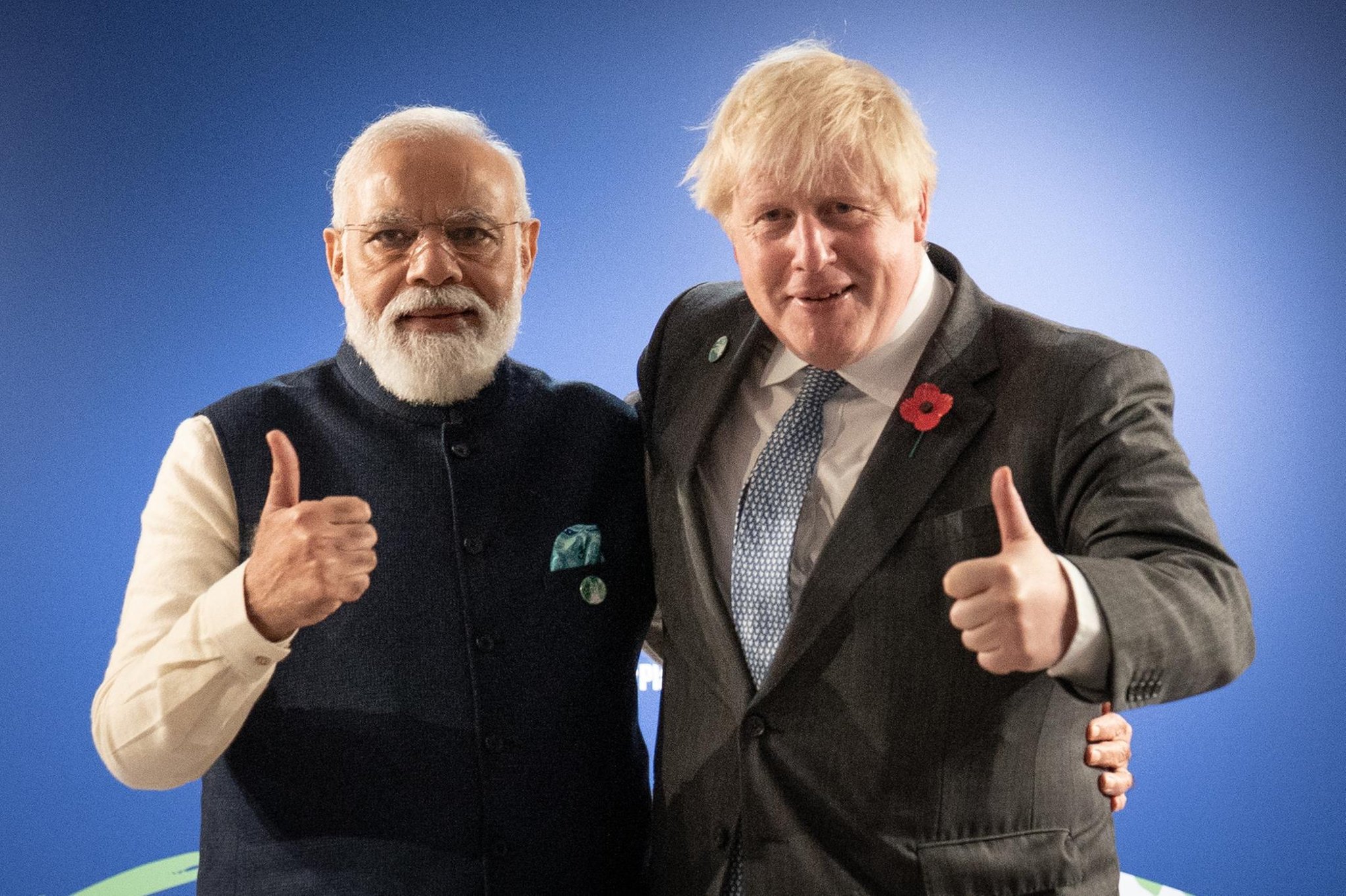
UK Prime Minister Boris Johnson, who is hosting the global meeting, will call it a “landmark agreement to protect and restore the earth’s forests”.
“These great teeming ecosystems – these cathedrals of nature – are the lungs of our planet,” he was expected to tell the event.
“It is good news to have a political commitment to end deforestation from so many countries, and significant funding to move forward on that journey,” Prof Simon Lewis, an expert on climate and forests at University College London told BBC News.
But he said the world “has been here before” with a declaration in 2014 in New York “which failed to slow deforestation at all”.
This declaration does not tackle growing demand for products like meat grown on rainforest land which would require tackling high levels of meat consumption in countries like the US and UK, Prof Lewis adds.