


PHOTO:WIKIPEDIA

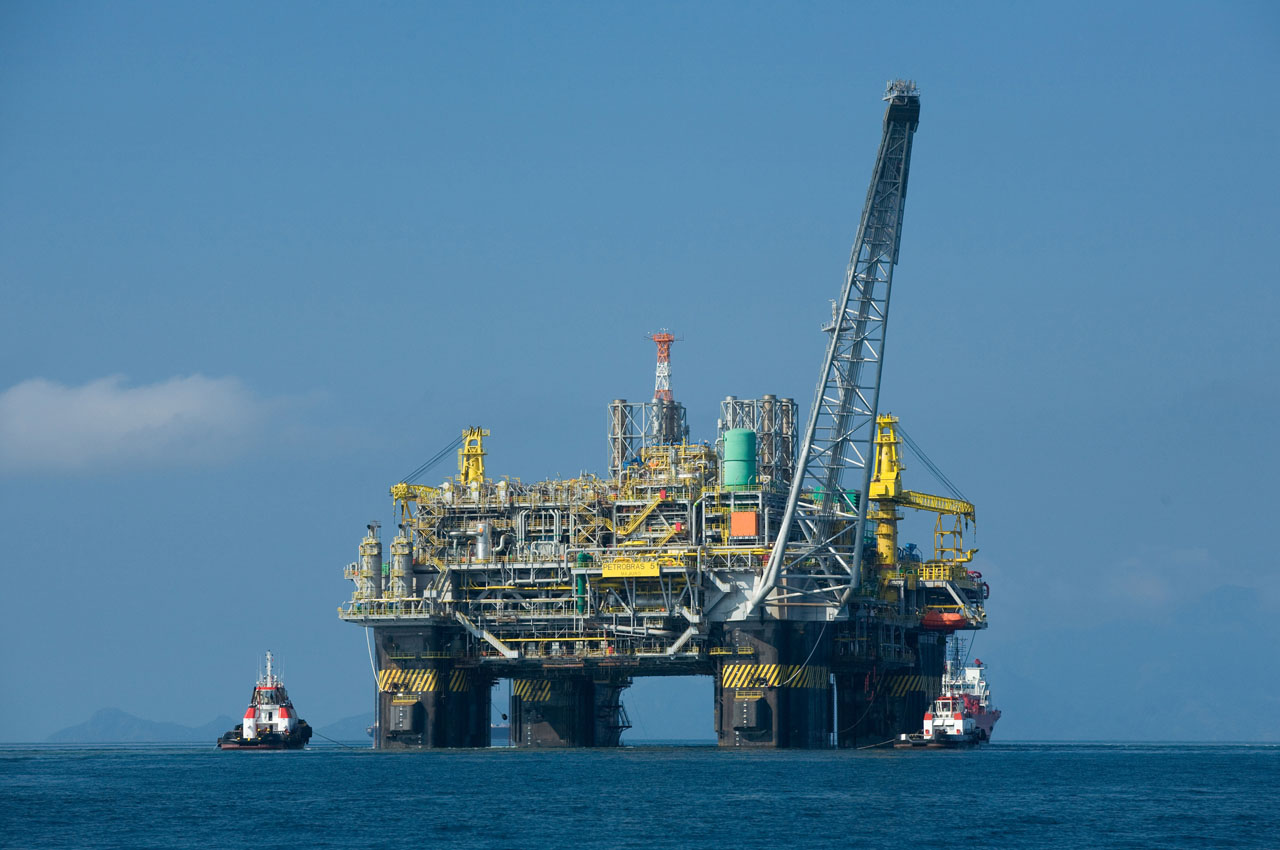
Cost reduction occasioned by the glut being experienced in the oil sector is creating a favourable outlook for deepwater projects across the world, but a new report released yesterday by Wood Mackenzie, said efforts could be jeopardised by impending cyclical cost inflation.
The report said the deepwater industry appears in good health, as capital expenditures was projected to hit $60 billion by 2022.While Nigeria was highlighted in an earlier report to account for $48.0 billion or over 24.8 per cent of total capital expenditure (capex) of upcoming projects in Africa from 2018 to 2025, Mackenzie reported that Mozambique remained Africa’s leading deepwater projects destination.
Currently, Nigeria has 24 announced and planned fields, including the ultra-deepwater Zabazaba-Etan with $11 billion; deepwater Bonga North with $8.9 billion; and deepwater Bonga Southwest/Aparo with $3.9 billion will require the highest capex over the eight-year period. All three are however conventional oil projects.
Mackenzie noted that cost of developing new deepwater barrels has fallen over 50 per cent since 2013.It added: “most important steps deepwater operators have taken to achieve lower costs, and therefore better returns, including downsizing projects, a greater focus on subsea tiebacks and brownfield developments over greenfield, reduced project lead times, reduced well counts, more phasing of larger developments, faster well completions, better project execution as well as lower rig/service sector costs.”
Read Also:
The report said most competitive region is the Americas, and in particular Brazil, Guyana, and the Gulf of Mexico, where over 50 billion boe of pre- and post-sanction deepwater developments are now profitable under oil price of $60/bbl (based on break-even costs).Mackenzie’s Research Director, Angus Rodger, said the key driver in cost reduction in deepwater projects is lower rig costs, which is a cyclical factor.
“But more importantly, there have also been big structural changes, such as the faster drilling of wells. For example, in the US Gulf of Mexico it now takes half the time to drill a deepwater well compared to 2014,” added Rodger.According to the report, better project execution has also reduced overspend and improved returns.
The average deepwater projects sanctioned between 2014 and 2016, started-up around five per cent under budget, compared to projects from 2006 to 2013, when cost overruns between 10 and 15 per cent were the norm.Encouraged by this progress and the growing importance of deepwater projects for future growth, the industry is increasing investment in the sector, it noted, adding that total yearly deepwater capex is expected to rise from around $50 billion currently to nearly $60 billion by 2022.
But the increase in spend and activities will accelerate a return to cyclical cost inflation in the offshore sector. With total deepwater rig capacity expected to fall over the next few years – as older, less efficient units are scrapped – rig day rates could double by the early 2020s.
“The return of cyclical inflation could see this epic period of deepwater cost reduction come to a close. The question now is how much of the ‘structural’ cost savings we have seen through the downturn will prove sustainable through the investment cycle, and which are just short-term company adaptations.
“We believe that many cost savings are not as ‘sticky’ as industry suggests, and are sceptical that many will stand the test of time during a sustained cyclical uptick,” Rodger said.
Source: G Business