

Vocational entrepreneurs have long been in the threshold of our nation’s existence, breaking barriers and building small businesses and other businesses beyond their scope especially those with a doggedness to see afar from the ordinary. Today, the crop of young men and women who have earned big names in their own right in the field of Fashion Designing (aka Tailor), Garment construction (Cloth seller), Makeup & Beauty Therapy (Makeup Artiste), Brick Construction (Block moulder), Shoe Designer (Shoe maker), Bakery & Pastries (Snacks Kiosk), Food and Catering Services (Caterer), Event Planner (Hall or event Decorator), Phone Technician (Phone repairer), Computer Engineer (Computer repairer or technician) etc. are either not vocational students or are investors with other knowledge in this areas.
In most cases experienced, vocational grandaunts after I.T and completion of their programme, end up the brains to the success of the investing entrepreneur who would be paying peanuts due to finance at his or her fingertips or the grandaunt has financial support. A classic case study is that of Funmi, who after graduating in Chemistry from a prominent university, enrolled with the Millennium Village Vocational Centre in Lekki in the catering department. After graduation and IT duration, she is a vocational entrepreneur in Food and Catering Services and has added event planning to her business due to adequate finance available to her. As an employer of labour contributing to the GDP and tax uplifts of the state government, not many in her shoes will be able to add such value across board. Interestingly, even the regular, small hair dresser in Lekki, Bariga, Ikeja, Ajegunle, Agege and Badagry all pay one levy or the other to the government’s coffers. These small scale entrepreneurs in other climes like Dubai UAE, have a special place in the schemes of economic calculations in three fold attachments to each staff in their employ. A crash to a vocational entrepreneur’s business with a staff of three (3) people, leaves a crash in nine (9) lives on the street in economic dilemma.

With the growing trends in digitalisation and data capture today, government at the local level should have data in two folds going forward; a partnership with vocational centres in their locality with a desire to have a graduating list of students with potentials. Secondly, ensure that business and entrepreneurial skills are taught with particular focus in money and inter-people management courses. Thirdly, is the setup of a financial economic framework for these target audience, as critical player in the technical, creative dynamics of service delivery in various forms with a daily effect on the financial spending of Nigerians. One critical trend that these entrepreneurs endear is the Friday to Sunday gross financial revenue that is generated and recycled back to government in the first 2 days of the new week. So a strategic frame work should be harmonised to ensure the productivity and creativity of these dynamic Nigerians.
Read Also:
On critical line that has to be drawn is the distinction of vocational businesses (entrepreneurs) and Small and Medium scale businesses (entrepreneurs). With close to two decades in managing, interacting and endearing nation builders in the students that come for vocational training, I think government needs to distinguish clearly between the different levels of small scale businesses. Two-thirds of the grandaunts of most vocational centres start as a solo business before the thought of employing at most 3 – 7 people depending on the type of vocation. Interestingly, multiple taxation applies to both sides of the divide. Like small scale businesses, vocational entrepreneurs also contribute to local economies by bringing growth and innovation to the community in which the business is established. They also help to stimulate economic growth by providing employment opportunities to people who may not be employable by SME’s and large organisations or corporations.
Today, most vocational entrepreneurs with little support or economic framework from government have engaged in the skill on skill learning/training of fresh apprentices who pay a certain amount to engage training on the job, experience on the training and subsequent freedom especially in areas where vocational educational centres are unavailable. These apprentices act in two capacities; work force and apprentice. A creative solution to non-availability of monitor able funds with checks and balancing you would say. It is no more rocket science that small scale businesses play a critical role in the annual generation of the nation’s GDP. In the United States of America, Small businesses are the lifeblood of the US economy that creates two-thirds of net new jobs and drive US economy and competitiveness. A new report shows that they account for 44 percent of the US economic activity.
Back home, with Lagos as a case study due to its smart city projections central in its THEMES pillar plans that are actually evident today, it needs to be more pro-active in the dynamics of the grassroots and more importantly, Vocational Entrepreneurs. The beauty of Lagos and even every other state is that they need not totally focus on these set of people as cash cows but invest in them and watch them grow into what will add enormous value to the pool. A major question would be why create a frame work for unskilled labour, unqualified professionals and the last dip in the business cum employment chain. I think Femi, a graduate of Agriculture in our centre, answers to this scenario; with one plot of land and a desire to meet the food chain of cucumber, lettuce and water melon on high demand on a daily basis, he, I guess would need some financial support in his desire to employ people to increase his supply to this overbearing demand.
I think with the daily numbers of unemployment in our youths, a local government framework with the House of Assembly accent for a Micro Vocational Entrepreneurship package or a review of the SME act to cater for this target is doable. This package would be linked from the fund to Micro-finance organisations but interfaced with government at the local levels in two phases. These phases will have a centre-government partnership for suitable candidates who would be eligible for this facility. The other phase is centred on the CDA to the CDC in each local government where suitable candidates can access this facility with the CDA/CDC’s playing a robust role on behalf of government.
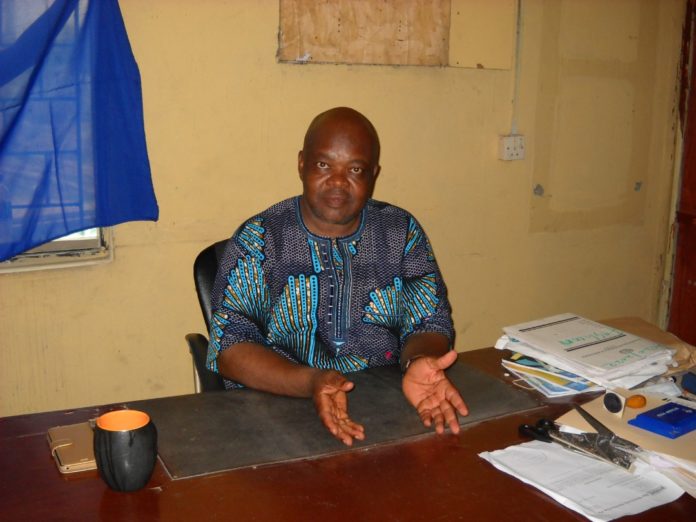
Dr Olusegun Omisore, Executive Secretary, Millennium Village Vocational Centre, Lekki