
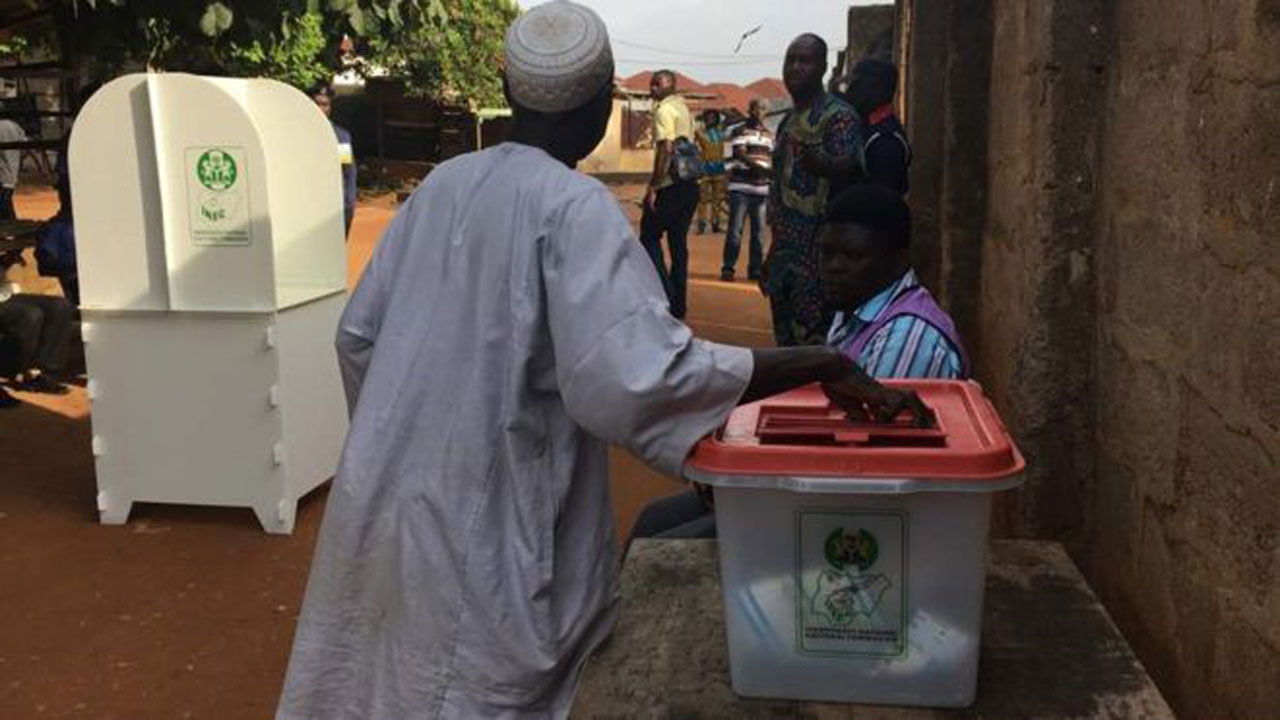

Nigeria’s 2023 presidential election has detonated into a full-blown political confrontation—raw, bitter, and dangerously revealing. What should have been a democratic milestone now looks, to millions of angry voters, like a familiar script of power retained at all costs.
At the centre of the storm is Peter Obi, the insurgent candidate who electrified young Nigerians and dared to challenge a decades-old political duopoly. His message is not diplomatic—it is incendiary: the mandate was stolen.

Across the divide stands Bola Tinubu, the declared winner and symbol of the entrenched political order. With just 37% of the vote, Tinubu insists the election was credible. But credibility is precisely what is now on trial—not just his victory.
A System Under Suspicion
Obi’s outrage is not merely personal; it taps into a deeper national frustration. The Independent National Electoral Commission (INEC), once cautiously trusted for promising technological transparency, now finds itself accused of presiding over a process riddled with failure and opacity.
The technology meant to safeguard the vote faltered. Results transmission systems broke down. Confidence collapsed. And in that vacuum, suspicion surged.
For Obi and his supporters—the fiercely loyal “Obidients”—this was not incompetence. It was betrayal.
The Establishment Strikes Back
Trailing behind is Atiku Abubakar, another heavyweight of Nigeria’s political elite, equally dismissive of the outcome and equally determined to fight it in court. Yet the irony is impossible to ignore: two establishment titans and one outsider, all crying foul in a system they have long inhabited.
Read Also:
Still, it is Obi’s anger that resonates most sharply. Why? Because it carries the voice of a generation that believed—perhaps naively—that this time would be different.
The Numbers Don’t Add Up
How does a country with over 87 million registered voters produce barely 25 million votes? A turnout of just 29%—in an election billed as historic—raises a question that cannot be politely ignored: Did Nigerians stay away, or were they pushed out?
This is not just apathy. It is disillusionment on a national scale.
A Country on Edge
The stakes could not be higher. Nigeria is already buckling under insecurity, inflation, and economic strain. From insurgency in the northeast to kidnappings and food shortages, the country is stretched thin. Now, add a legitimacy crisis at the very top.
Obi’s vow to reclaim his mandate through the courts may sound procedural, but politically, it is explosive. Nigerian courts have never overturned a presidential election. Not once. The odds are long—but the anger is longer.
Democracy on Trial
International observers—from the EU to the Commonwealth—stopped short of calling the election fraudulent, but their criticism of logistical chaos and technological failure only deepens the unease.
Meanwhile, global leaders, including Britain’s Rishi Sunak, have already moved on, congratulating Tinubu. For them, stability trumps scrutiny.
But for many Nigerians, this is not over. Not even close.
The Real Battle
This is no longer just about who won. It is about whether votes still matter in Africa’s largest democracy—or whether elections have become elaborate rituals masking predetermined outcomes.
Obi has thrown down the gauntlet. Tinubu has claimed the throne. INEC stands accused. And millions of Nigerians are left asking a question that grows louder by the day:
If the system cannot be trusted, what comes next?