
The absence of the APC and PDP candidates at the presidential debate has continued to generate discourse. KAUTHAR ANUMBA-KHALEEL examines the views of stakeholders on the development
Nigeria, in the last few elections has amongst other things, adopted the practice of organised presidential debates or political interviews to afford voters the opportunity to weigh the perspectives of each candidate on matters of governance and, to allow candidates prove their mental and leadership capabilities to oversee the affairs of the country, defend its interest and uphold its integrity before the voting population.

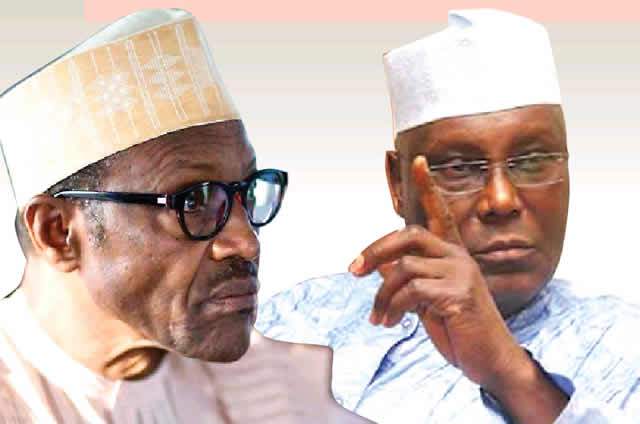
The road to the 2019 election is no different as Nigerians brace up for the much expected political debate between select candidates vying for the highest office in the country, the President. In particular, they looked forward to hearing the two main contenders, President Muhammadu Buhari of the All Progressive Congress (APC) and Alhaji Atiku Abubakar, the flag bearer of the Peoples Democratic Party (PDP) slug it out.
For many, the debate which was organised by Broadcasting Organisation of Nigeria, (BON) was an avenue for the evaluation of existing policies of the Buhari-led government and how it has impacted on the lives of the citizens and, for candidates to challenge each other’s prospective policies. But rather than have their expectations met, Nigerians were greeted with the absence of the two main players who for different reasons choose to boycott the event much to the disappointment of their supporters and critics alike.
President Buhari, failed to show up at the event as predicted by critics who had latched on his performance at a town hall meeting days’ prior describing it as a “near disaster”. While Atiku, who made it to the event, decided it was needless to participate because Buhari, his main rival was absent.
Political analysts have also taken turns to berate both men especially Alhaji Atiku for failing to show up for the event. While this is not the first time a candidate will back out of a debate, it is also not new even in advanced democracies. unlike other kinds of debates, political debates have neither gallant losers or magnanimous winners.
For some of Buhari’s supporters, his choice to shun the event may have been a relief given the caliber of most of the debaters who unlike their preferred candidate, have the gift of the garb. Although the Director of Strategic Communication of Buhari’s campaign organization, Festus Keyamo, attributed his candidate’s absence to the busy and hectic schedules adding that the debate clashed with the commissioning of the Baro Inland Water Port in Niger state and campaign rallies in Niger and Plateau States.
In a statement, Keyamo also explained that the president had taken advantage of previous opportunities presented him to interact with the Nigerians. “Firstly, out of several opportunities afforded our candidate to interact with the Nigerian people directly by different organizations, our presidential candidate has taken full advantage of another town-hall meeting organized by another group which held on Wednesday, 16 January, 2019”.
While apologizing to the organizers of the debate, he equally assured that the APC shall “continue to hold these debate groups and Nigerians in high esteem which our candidate has demonstrated during past election debate when he honored similar invitations”.
Earlier, the chairman of the Presidential Advisory Committee Against Corruption (PACAC), Prof. Itsey Sagay, had noted that the president had nothing to gain by attending debate with other candidates whom he described as motivational speakers and added that there is no law binding candidates to participate in a debate. “It is not in his interest to go and debate with those people. Let us be practical and sensible about a situation. You go on which you have your strength and concentrate on that. He has nothing to gain by the debate”.
On his part, Atiku said, “We came here for a presidential debate, not a candidacy debate and I, Atiku Abubakar cannot challenge or question an administration where the man at the helm of affairs of the nation is not present to defend himself or his policies. After all, you cannot shave a man’s head in his absence; I do not believe in attacking a man who is not here to defend himself. As a leader and former vice president, let me first apologize to all Nigerians, my fellow candidates and the moderator for the APC Presidential candidate’s absence in this debate. His non-appearance is a slight on all of us and our democracy”.
Read Also:
His reasons to some, simply points to the fact that he not only saw the debate as a platform to take Buhari to the cleaners, but also gave the impression that the other candidates were to inconsequential to be indulged. However, others are of the view that Atiku’s decision was borne out of outright cowardice and fear of particularly the presidential candidate of Young Peoples Party (YPP), Prof. Kingsley Moghalu and the ARNP candidate, Dr. Oby Ezekwesili who have never spared any moment to discredit the credentials the APC and PDP’s candidates. Atiku’s critics have contended that the former vice president made a tactical withdrawal from the debate to avoid being disgrace by the duo, as he had hope to hide under President Buhari to escape the anticipated onslaught from the vibrant candidates.
Since taking this decision, the duo have come under criticism for what many have described as disregard for the electorate. They are of the view that their decision to boycott the debate denied Nigerians the opportunity of knowing the thinking of the two frontline presidential candidates on the varied problems confronting them as a people. They also attributed the actions of the two top contenders to arrogance.
Reacting to the development during the debate, the presidential candidate of the Young Progressives Party, (YPP) Kingsley Moghalu, attributed it to arrogance and inability to respond to questions. “Arrogance; they believe Nigerians will always come to them; they have a sense of entitlement but not a record of service to the people of Nigeria. They cannot answer the questions to be asked to night”.
Similarly, Oby Ezekwesili of the Allied Peoples Congress of Nigeria, said that the candidates of the APC and PDP by their action, announced their exit from the governance. “I am not surprised they are not here. They have simply announced their exit from governance. I think it is important we acknowledge there is a political class that needs to fade away from our country because the idea that the will of the people to be subjugated to the whims and caprices of our politicians should be a total anomaly; today as we focus on the competitive ideas that will develop country if the two dominant parties cared about our people, they would come here to contest ideas on how they will fix Nigeria”.
On his part, the flag bearer of the Alliance for New Nigeria, Fela Durotoye, who described the ruling APC and the PDP as “two sides of the same coin”, said their actions show that the future is here and old things have passed away. I must say to Nigerians that pride comes before a fall and every time you feel you don’t need to tell Nigerians what you want to do, it means you are not there to serve them in place but you are there to rile them”.
Other prominent Nigerians have added their voice to chide the incumbent and his main challenger over their choices. Reacting, Senator Shehu Sani took to his twitter handle to lament the development saying “It is unfortunate and ironic that candidates who flaunt crowds of supporters in hundreds of thousands in open stadia, have fear of the microphone and a few people in a hall”.
In the same vein, former Minister of Education and National Vice chairman of the Social Democratic Party (South-West), professor Tunde Adeniran, flayed the candidates saying “they have no regard for Nigerians and democratic principles. They were afraid of being scrutinized and exposed. It is a shame of a nation”.
While many have attached importance to the role debate play on the electoral process, others believe that it has little or no impact on the outcome of the polls given that the electorates already have their minds made up on who they would vote for come the day of the election. They also argue that the majority of the average voters on the street cannot be bothered with the “grammar and figures” candidates speak and reel out during televised debates. Besides, the percentage of Nigerian electorates who usually watch the debate is inconsequential.
But while some are of the view that the candidates, especially the PDP candidate, may have missed an opportunity to win over voters who remain on the fence through the debate, others threw their weight behind him asserting that his decision to withdraw from it was the best under the circumstance.
Nevertheless, whatever misgivings or interpretations Nigerians may have given to the issues surrounding the presidential debate and failure of the incumbent and the leading opposition candidate, February 16th, 2019 is the day of judgement for these candidates. Nigerian electorates have a golden opportunity to exercise their franchise and decide who occupies Aso Rock from May 29, 2019. Hence debate or no debate, the electorates have a date with history; and the popular candidate shall emerge victorious.