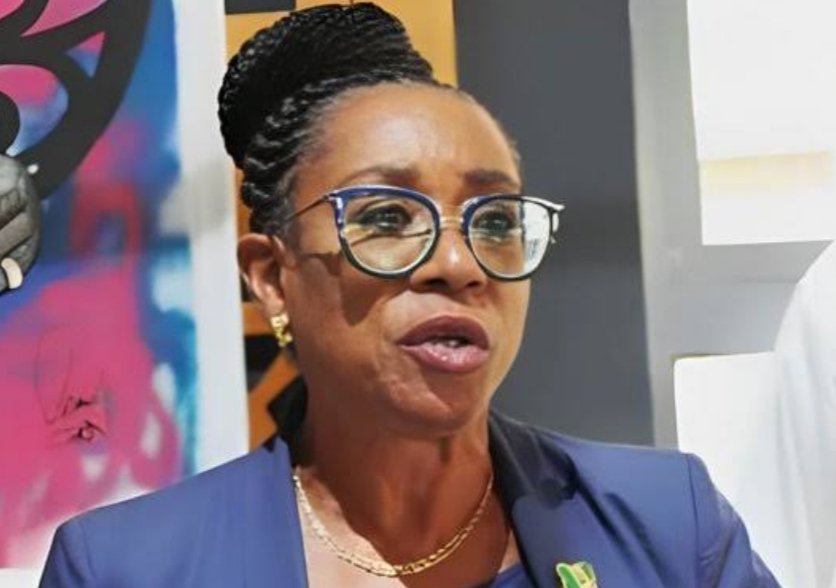

Cultural festivals are more than just celebrations; they are a vital link to the past, a showcase of traditions, and a means to foster communal bonds. Two prominent Nigerian festivals, Ojude Oba and the Ilorin Durbar, stand out as exemplary showcases of Yoruba and Fulani cultures, respectively.
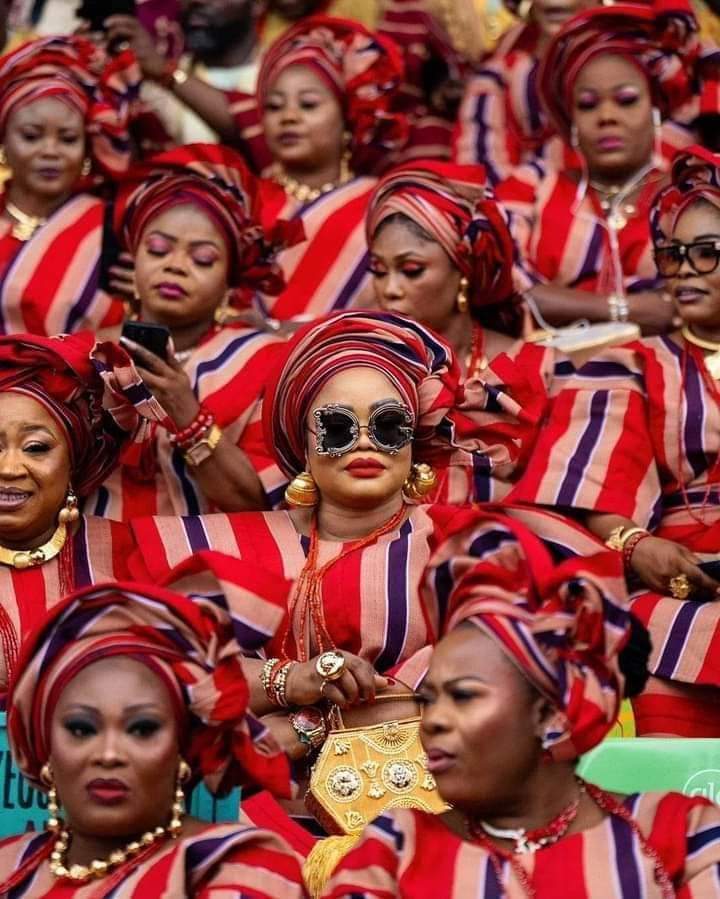
This year, Ojude Oba 2024 and the Ilorin Durbar were particularly remarkable, not only for their vibrant displays of heritage but also for the influential personalities who graced the events.
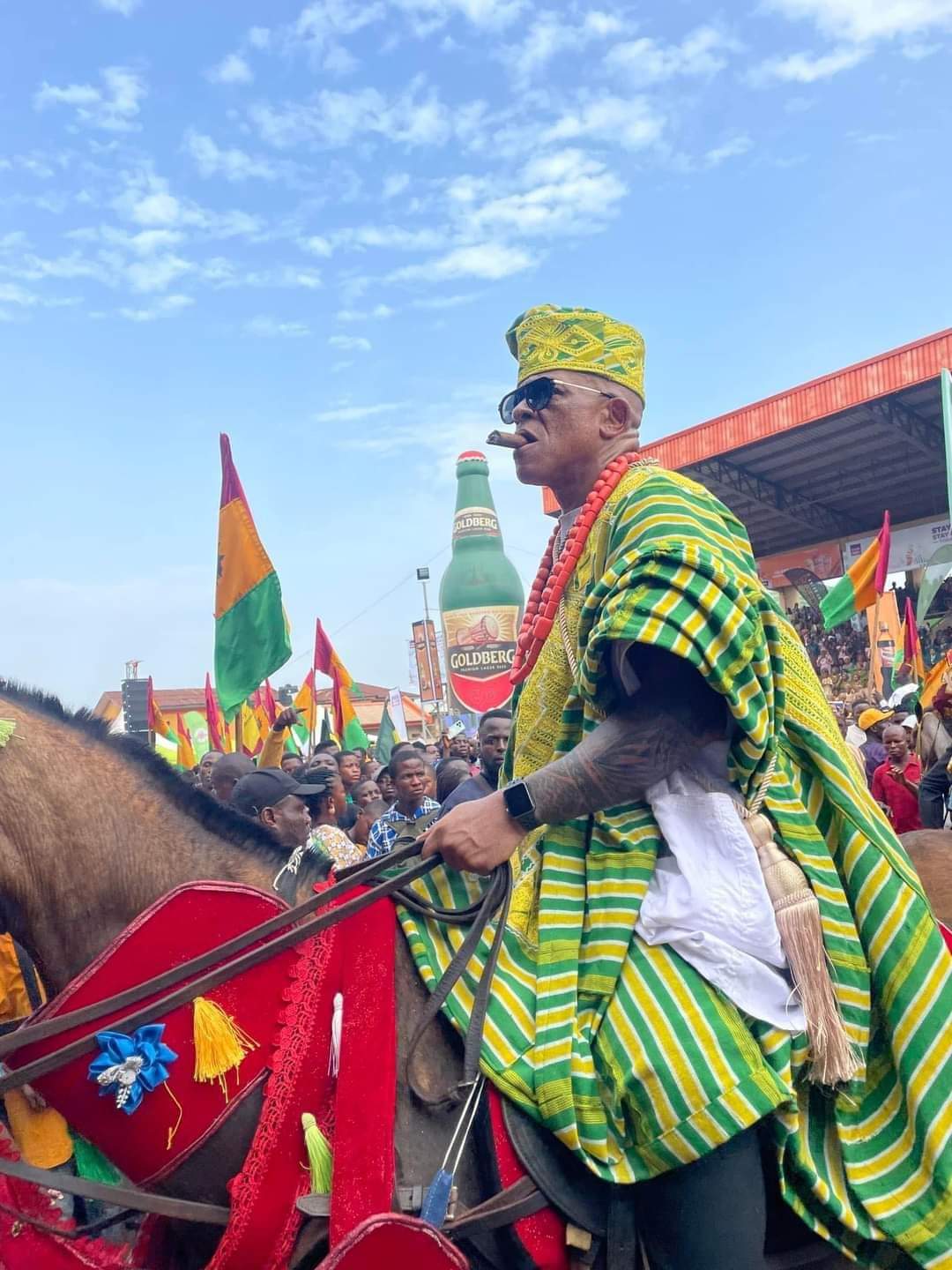
This feature delves into the history, significance, benefits, and potential of these festivals, with a spotlight on Farooq Oreagba and Senator Saliu Mustapha, whose presence made headlines.
*Ojude Oba: A Historical and Cultural Gem*
Ojude Oba, meaning “the King’s forecourt,” is an annual festival held in Ijebu-Ode, Ogun State. Originating over a century ago, it is a unique cultural event celebrated by the Ijebu people. The festival began as a Muslim tradition when the then-Awujale of Ijebu Land invited the Muslim community to pay homage to him after the Eid-el-Kabir prayers. Over time, it has evolved into a grand spectacle that attracts people of all religions and ethnicities, showcasing the rich cultural heritage of the Ijebu people.
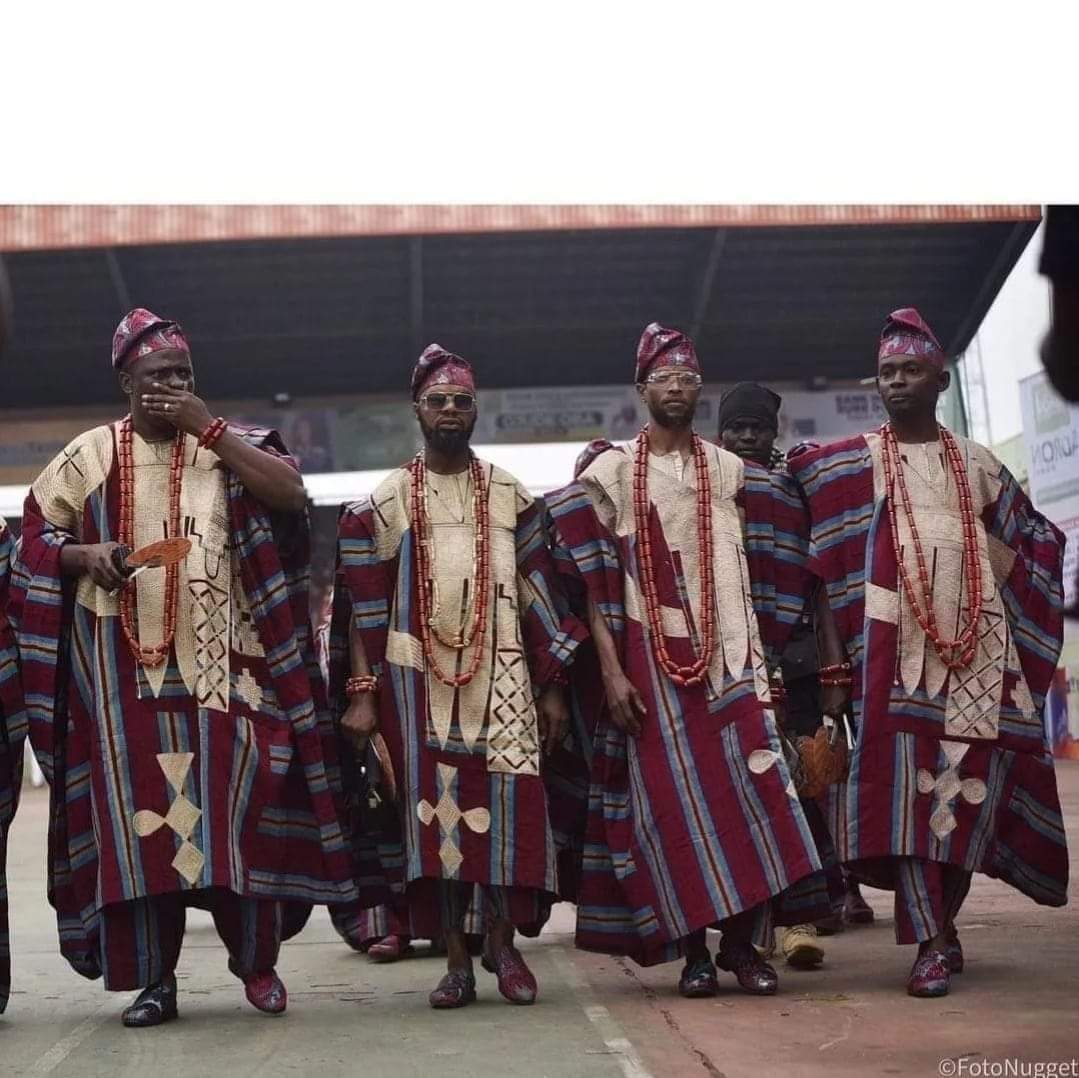
The significance of Ojude Oba lies in its role as a unifying force. It brings together indigenes and visitors, fostering a sense of community and continuity. The festival features a parade of age grades (regberegbe), horse riders adorned in colorful attire, and various cultural displays. The regberegbe, a traditional system of organizing age groups, underscores the festival’s role in promoting social cohesion and generational continuity.
*Importance and Benefits of Ojude Oba*
Ojude Oba is not just a cultural spectacle; it is an economic powerhouse. The festival boosts the local economy by attracting thousands of tourists, both domestic and international. Hotels, restaurants, and local vendors witness a surge in patronage, creating a ripple effect on the local economy. Additionally, the festival promotes cultural tourism, positioning Ijebu-Ode as a destination for those seeking to experience Yoruba culture firsthand.
The festival also serves as a platform for cultural education. It provides an opportunity for younger generations to learn about their heritage, traditions, and values. Through the displays and narratives shared during the festival, the rich history of the Ijebu people is preserved and passed down.
*Spotlight on Farooq Oreagba*
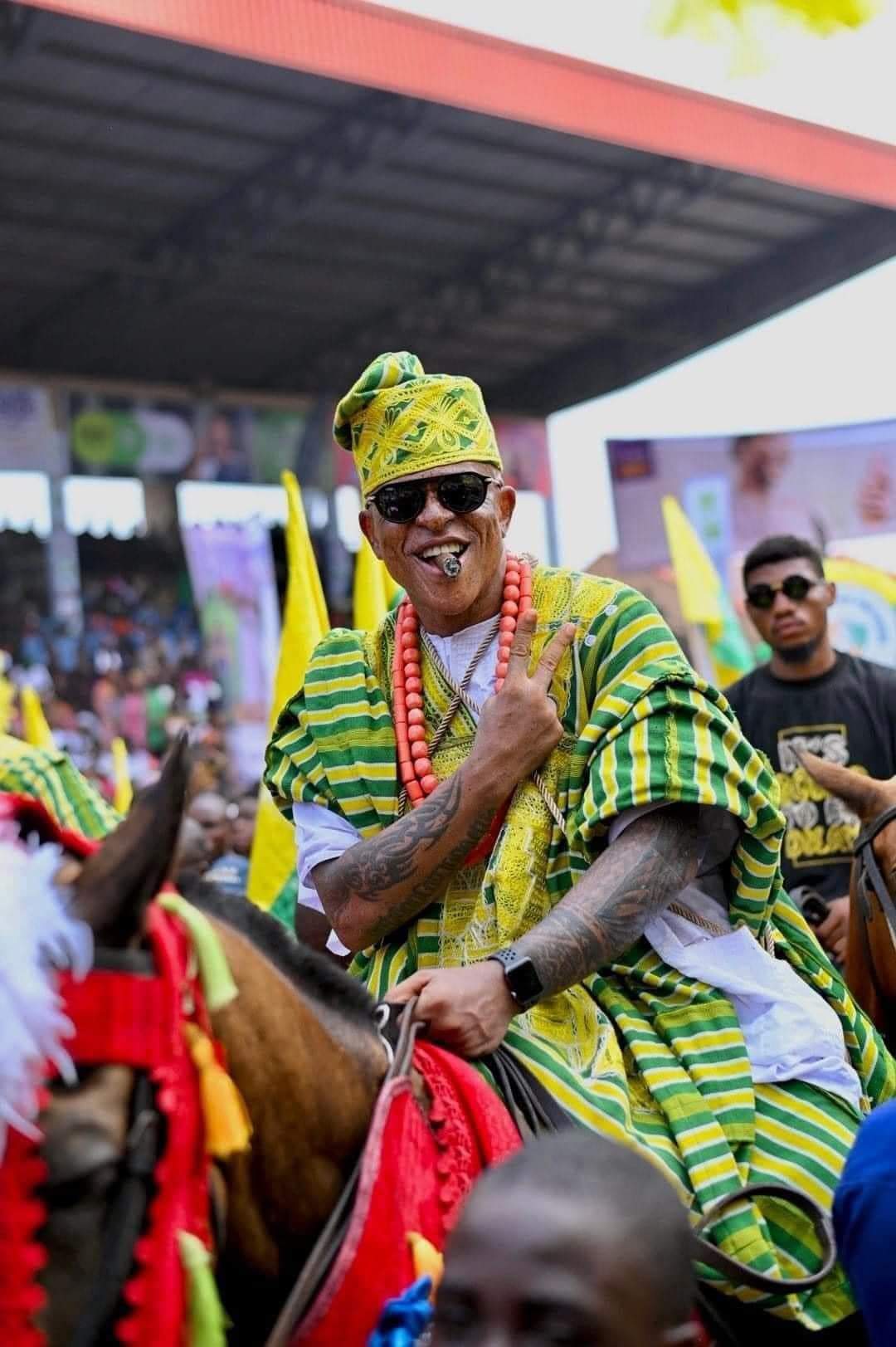
This year’s Ojude Oba saw the spotlight on Farooq Oreagba, a prominent businessman and philanthropist. Oreagba’s involvement in the festival underscored his commitment to cultural preservation and community development. His support for various initiatives aimed at promoting Yoruba culture and empowering the local community earned him widespread acclaim. Oreagba’s presence and contributions highlighted the role of individuals in sustaining cultural traditions and driving social progress.
Read Also:
*Ilorin Durbar: A Majestic Mix of Cultural Heritages*
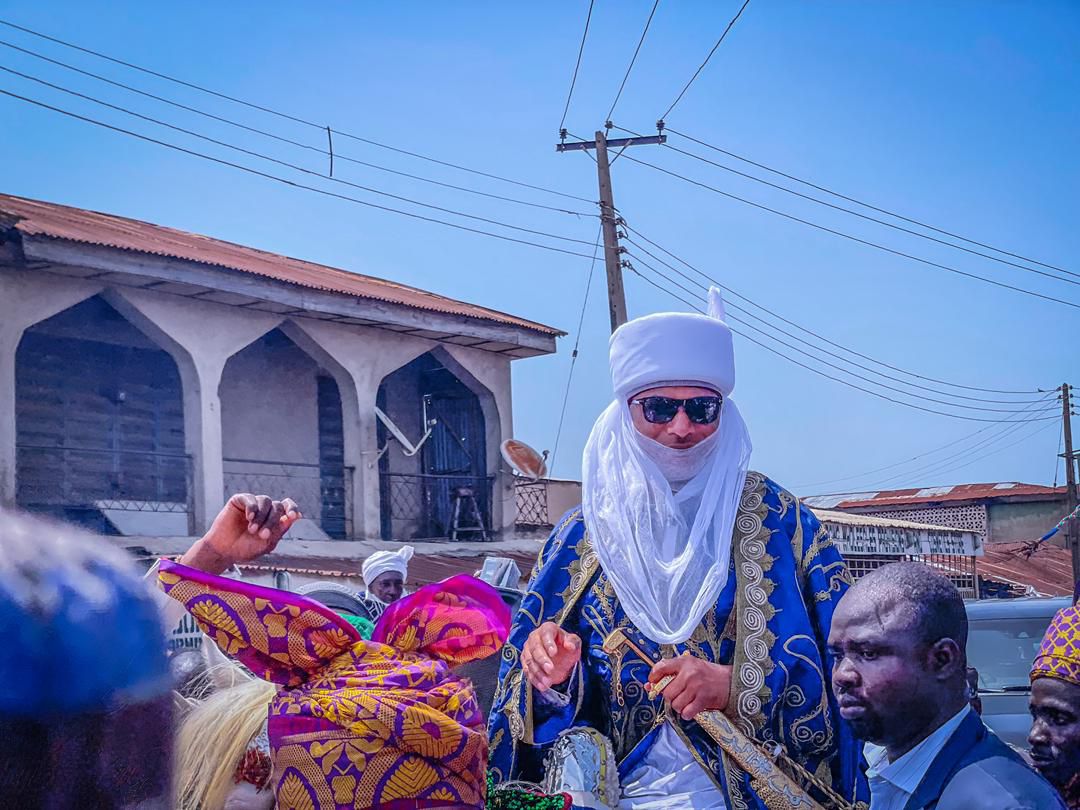
The Ilorin Durbar is an annual festival held in Ilorin, Kwara State, celebrating the end of Ramadan. The Durbar, a grand parade featuring horse riders, drummers, and dancers, is a significant cultural event for the Hausa-Fulani people. The history of the Ilorin Durbar dates back to the 19th century when it was introduced by Emir Zubairu Dan Tofa. The festival, originally a military parade to showcase the emirate’s strength and unity, has evolved into a vibrant celebration of culture and tradition.
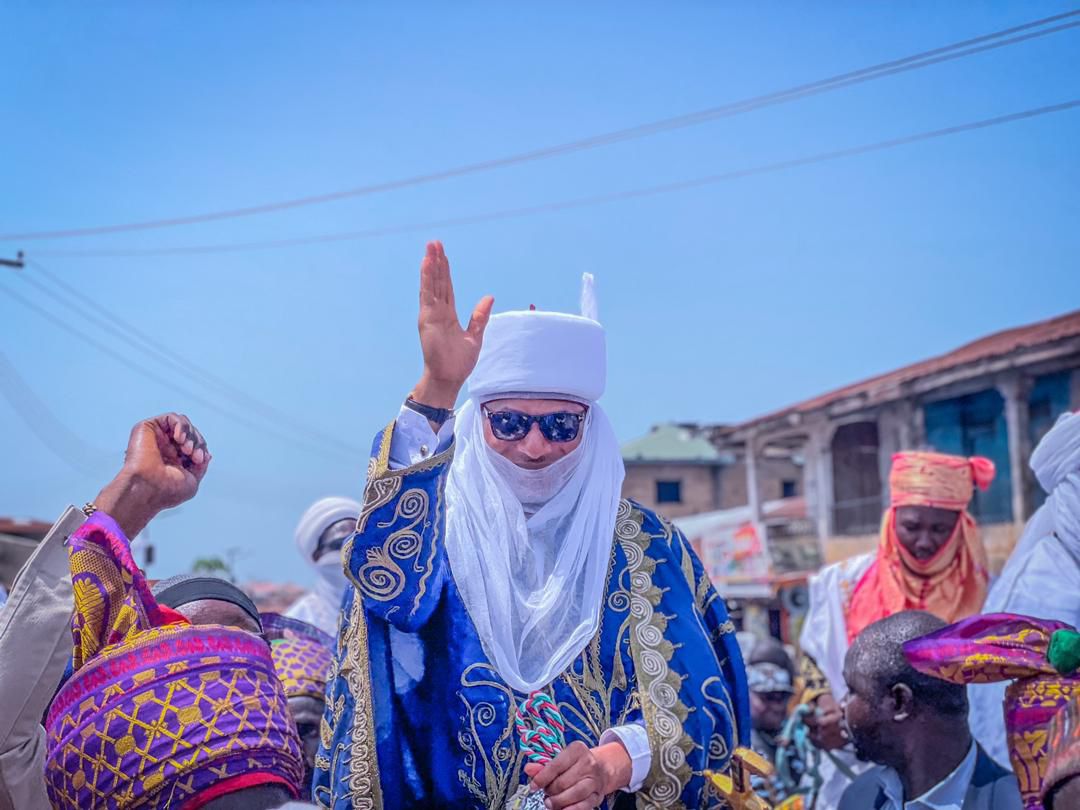
The Ilorin Durbar is characterized by its elaborate displays of horsemanship, traditional music, and dance. The festival is a testament to the Ilorin people’s rich cultural heritage and their deep-rooted traditions. It is a time for communal celebration, reflection, and renewal of bonds.
*Importance and Benefits of Ilorin Durbar*
The Ilorin Durbar, like Ojude Oba, plays a crucial role in fostering social cohesion and cultural continuity. It is an avenue for the people to celebrate their identity and heritage. The festival also serves as a platform for intergenerational dialogue, where elders share stories and traditions with the younger generation, ensuring the preservation of cultural knowledge.
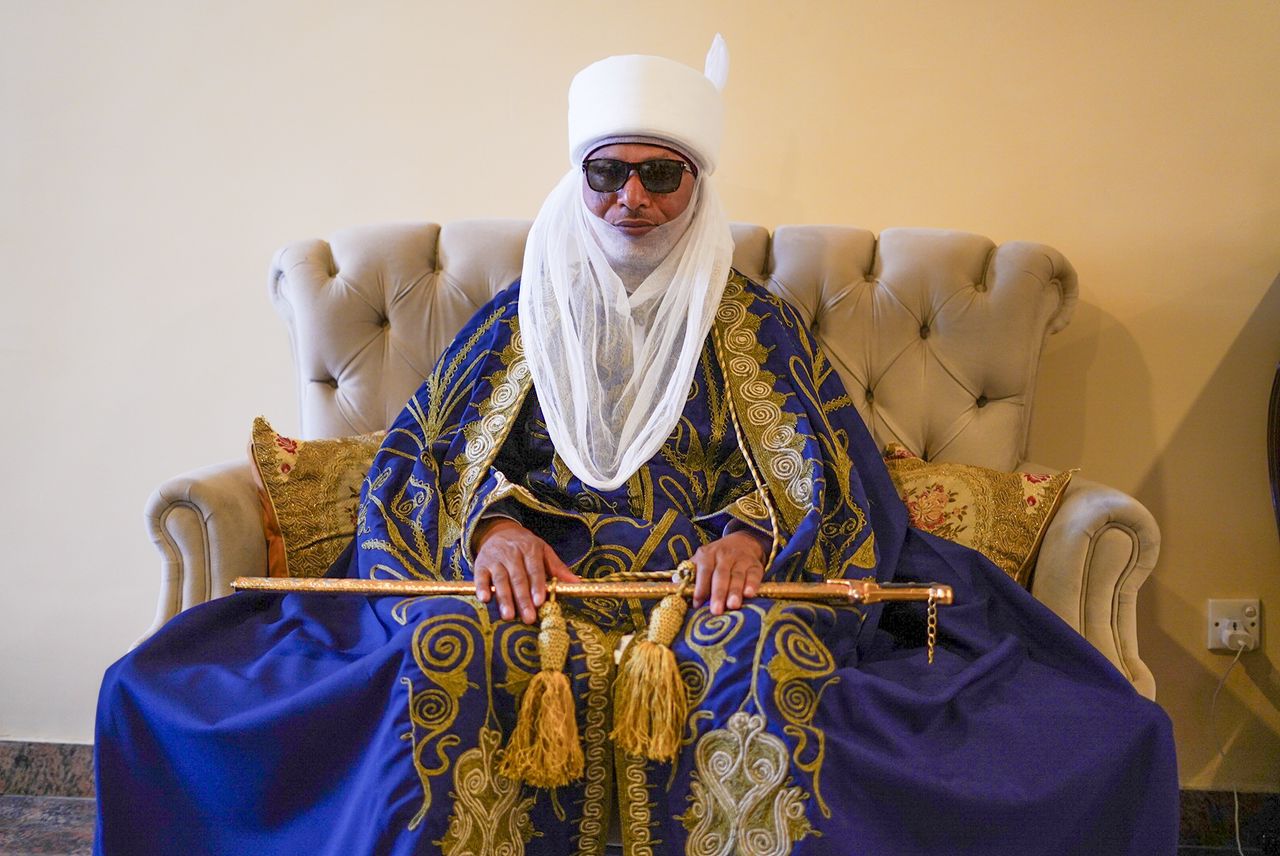
Economically, the Ilorin Durbar is a significant boost for Kwara State. The influx of tourists during the festival period stimulates local businesses, from hospitality to retail. The festival’s prominence also positions Ilorin as a cultural tourism hub, attracting visitors keen on experiencing the vibrant traditions of the Fulani people.
*Spotlight on Senator Saliu Mustapha*
This year’s Ilorin Durbar was marked by the presence of Senator Saliu Mustapha, whose contributions to the event and the community were widely recognized. Senator Mustapha’s efforts in promoting cultural heritage, supporting local initiatives, and fostering unity within the community have made him a respected figure. His involvement in the Durbar highlighted the role of public figures in championing cultural preservation and community development.
*Turning Cultural Festivals into World-Class Tourism Attractions*
Both Ojude Oba and the Ilorin Durbar hold immense potential as world-class tourism attractions. To achieve this, concerted efforts by the government, private sector, and local communities are essential.
We must start first with investing in infrastructure is crucial. Improving road networks, providing adequate accommodation facilities, and enhancing the overall tourism experience are vital steps. Ensuring that visitors have access to comfortable lodging, reliable transportation, and essential amenities will significantly boost the festivals’ appeal.
Then, effective marketing strategies are essential to attract a global audience. Leveraging digital platforms, social media, and international tourism fairs can raise awareness about these festivals. Collaborations with travel agencies and influencers can also play a crucial role in promoting the events to a wider audience.
Balancing tradition with innovation is key. While preserving the core elements of the festivals, introducing new activities and modern attractions can enhance the overall experience. Interactive cultural workshops, exhibitions, and technology-driven displays can make the festivals more engaging for a diverse audience.
Lastly, empowering local communities is fundamental. Providing training and support for local artisans, performers, and vendors can enhance the quality of the festivals. Ensuring that the benefits of tourism are felt by the local population will foster a sense of ownership and pride in the festivals.
*Conclusion*
Ojude Oba and the Ilorin Durbar are not merely cultural events; they are powerful symbols of Nigeria’s rich heritage and communal spirit. The presence of influential personalities like Farooq Oreagba and Senator Saliu Mustapha at these events underscores the importance of individual contributions to cultural preservation and community development. By investing in infrastructure, effective marketing, cultural preservation, and community empowerment, these festivals can be transformed into world-class tourism attractions, showcasing Nigeria’s vibrant traditions to the world. Through such efforts, Ojude Oba and the Ilorin Durbar can continue to serve as beacons of cultural pride and economic prosperity.