
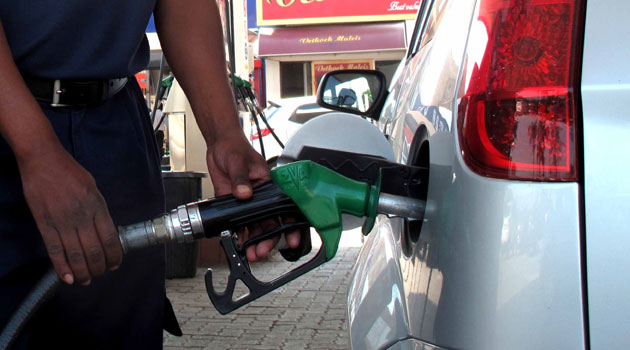

Motorists in Abuja and other parts of Nigeria were on Sunday confronted with another sharp rise in petrol prices as the Nigerian National Petroleum Company Limited (NNPCL) adjusted its pump price for the second time in less than 24 hours.
The state-owned oil company increased the price of Premium Motor Spirit (PMS), commonly known as petrol, from ₦967 to ₦1,082 per litre in Abuja and surrounding areas, representing an increase of ₦115 per litre.

The latest adjustment followed an earlier hike that saw the price move from ₦960 to ₦967 per litre, bringing the total increase at NNPCL retail outlets to about ₦207 within the past week.
The new pump price has already taken effect at several NNPCL stations across the Federal Capital Territory, including outlets along Kubwa Expressway, Gwarimpa, Wuse Zone 6, Wuse Zone 4 and Lifecamp.
Other major marketers have also followed the upward trend. Filling stations operated by MRS, AA Rano and Empire Energy reportedly adjusted their pump prices at least twice within the same period, with petrol now selling between ₦1,092 and ₦1,150 per litre, compared to previous prices ranging from ₦960 to ₦980.
Read Also:
Industry operators attributed the sudden rise in retail prices to adjustments in the supply price from the Dangote Refinery, which recently increased its petrol gantry price.
The refinery reportedly raised its ex-depot price by ₦121, from ₦874 to ₦995 per litre, following a surge in global crude oil prices.
Commenting on the development, the National President of the Petroleum Products Retail Outlets Owners Association of Nigeria, Billy Gillis-Harry, said the domestic price increase was largely driven by volatility in the international oil market.
According to him, the recent hike in the refinery’s gantry price and the subsequent retail adjustments are linked to rising crude oil prices triggered by geopolitical tensions involving Iran, United States and Israel, which have heightened uncertainty in the Gulf region.
He, however, urged regulatory authorities in Nigeria to intervene in order to stabilise the market and prevent further volatility in petrol prices.
The surge in domestic fuel prices follows a rally in global oil markets, with Brent Crude recently climbing above $90 per barrel amid concerns over possible supply disruptions linked to escalating tensions in the Middle East.