
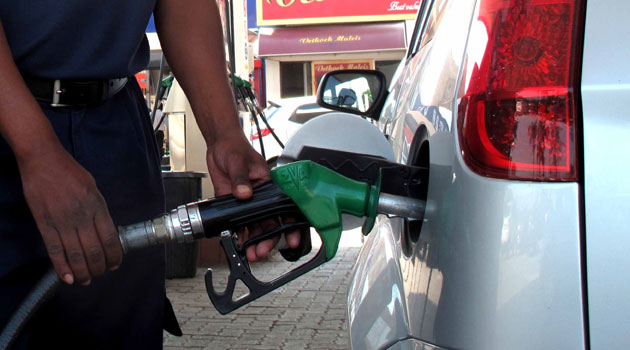

The Nigerian National Petroleum Company Limited (NNPCL) on Saturday increased the pump price of petrol for the second time in four days, raising it to ₦967 per litre from ₦960.
The latest adjustment represents a ₦7 increase per litre and has already been implemented at NNPCL retail outlets in Abuja and its surrounding areas.

The development comes shortly after an earlier price hike that saw the state oil firm raise the pump price to ₦960 per litre from ₦875.
Checks at several filling stations in Abuja indicated that other independent marketers have also adjusted their prices, with petrol now selling between ₦967 and ₦1,000 per litre depending on the station.
In Lagos, however, prices have climbed even higher, with petrol selling for as much as ₦1,080 per litre in some locations on Saturday.
A market survey across multiple filling stations in the city showed that the price of Premium Motor Spirit (PMS), commonly known as petrol, now ranges between ₦1,020 and ₦1,080 per litre depending on the area and the marketer.
Read Also:
The latest increase followed a recent upward adjustment in the ex-depot price by the Dangote Refinery, which determines the rate at which fuel marketers purchase petrol before selling to consumers.
Industry sources said the refinery recently raised its gantry price to ₦995 per litre from ₦874, citing rising crude oil prices in the international market.
Global oil prices surged on Saturday, with Brent crude trading above $90 per barrel. As of the time of filing this report, Brent Crude was selling at about $92.69 per barrel amid concerns over potential supply disruptions.
Analysts attribute the spike in global oil prices to escalating tensions in the Middle East involving the United States, Israel and Iran, which could tighten global oil supply.
Energy experts warn that if crude prices continue to rise, petrol prices in Nigeria could increase further and potentially approach ₦1,100 per litre in the coming weeks.
Meanwhile, reports from Ibadan indicated that petrol was selling for as high as ₦1,200 per litre in some parts of the city as marketers adjusted their pump prices to reflect the new market realities.