
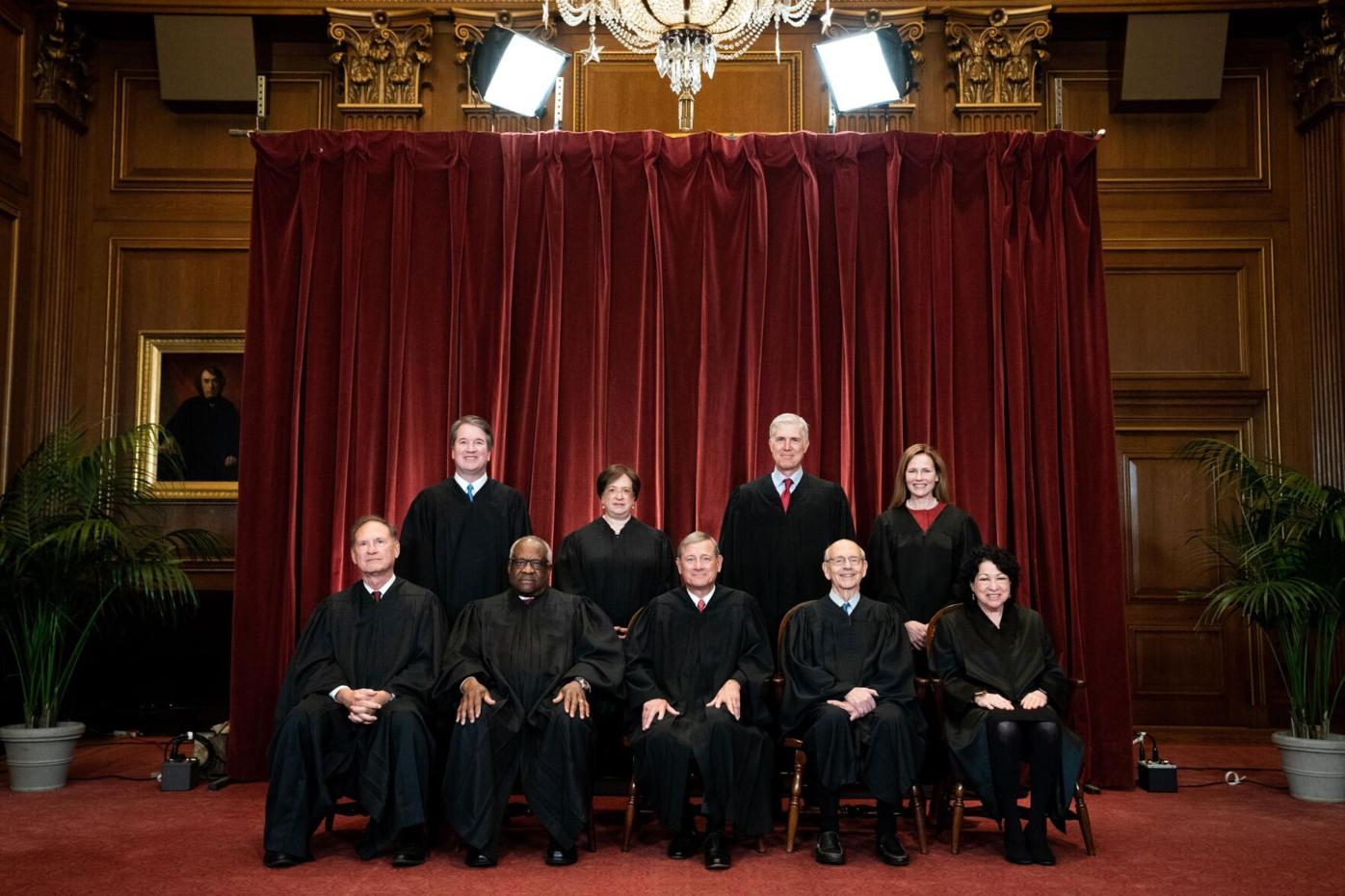

The Supreme Court cleared the way Wednesday for the release of presidential records from the Trump White House to a congressional committee investigating the January 6, 2021, attack on the US Capitol.
The court’s order means that more than 700 documents will be transferred to Congress that could shed light on the events leading up to the insurrection when hundreds of rioters converged on the Capitol attempting to stop certification of the 2020 presidential election results.
Only Justice Clarence Thomas said publicly that he would have granted former President Donald Trump’s request to block the document handover from the National Archives to the House select committee. No other justices made an objection public.
The Biden White House supports releasing the records to the committee, after determining the disclosure is in the nation’s best interest and declining to assert executive privilege.
The select committee is seeking more than 700 pages of disputed documents as it explores Trump’s role in trying to overturn the 2020 presidential election. That includes his appearance at a January 6 rally in which he directed followers to go to the US Capitol where lawmakers were set to certify the election results and “fight” for their county.
The documents include activity logs, schedules, speech notes and three pages of handwritten notes from then-White House chief of staff Mark Meadows — paperwork that could reveal goings-on inside the West Wing as Trump supporters gathered in Washington and then overran the Capitol, disrupting the certification of the 2020 vote.
Trump is also seeking to keep secret a draft proclamation honoring two police officers who died in the siege and memos and other documents about supposed election fraud and efforts to overturn Trump’s loss of the presidency, the National Archives has said in court documents.
The House committee, the White House, the National Archives and lawyers for Trump have not responded to CNN inquiries about the Supreme Court’s order.
The move effectively moots former Trump’s pending appeal in the case that centered on keeping the documents secret. Lawyers for Trump say the documents are sensitive and privileged records.
“The disagreement between an incumbent President and his predecessor from a rival political party is both novel and highlights the importance of executive privilege and the ability of Presidents and their advisers to reliably make and receive full and frank advice, without concern that communications will be publicly released to meet a political objective,” Trump’s lawyer, Jesse R. Binnall told the justices.
He stressed that Congress had no valid legislative purpose for requesting the documents. “Congress may not rifle through the confidential presidential papers of a former President to meet political objections,” Binnall added.
But the Biden administration argued that withholding the records based on executive privilege is not in the interest of the United States. Solicitor General Elizabeth Prelogar said that in light of the “extraordinary events” of January 6, President Joe Biden had decided that that an assertion of executive privilege is “not justified.”
A federal appeals court ruled against Trump, holding that he “has provided no basis for this court to override President Biden’s judgment and the agreement and accommodations worked out between the Political Branches over these documents.”
The court noted that the events “marked the most significant assault on the Capitol since the War of 1812,” but agreed to freeze its ruling until the Supreme Court acted.
“Under any of the tests advocated by former President Trump, the profound interests in disclosure advanced by President Biden and the January 6th Committee far exceed his generalized concerns for Executive Branch confidentiality,” the panel of the US Court of Appeals for the DC Circuit wrote.
On Wednesday, the Supreme Court cited part of that sentence. “Because the Court of Appeals concluded that President Trump’s claims would have failed even if he were the incumbent, his status as a former President necessarily made no difference to the court’s decision,” the Supreme Court said.