
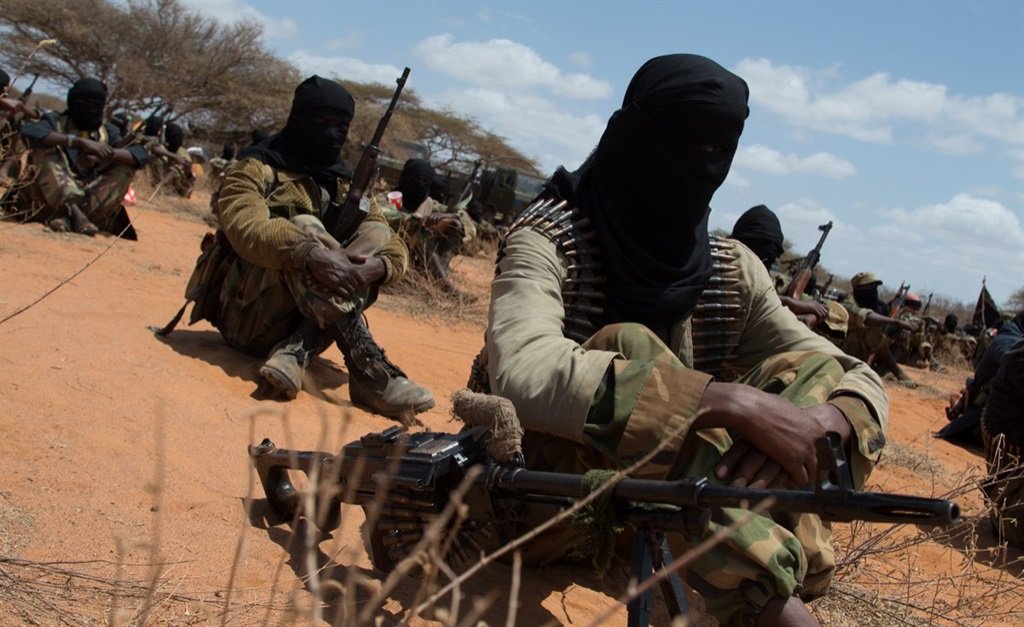

Southern Africa was recognised for a long time as one of the most peaceful regions’ in Africa but recent events that have been transpiring in Mozambique have proved that the stability of the SADC region in general and that of Mozambique in particular is under constant threat from the violent and terror-driven insurgents.
The footprints of the insurgency in Mozambique can be traced back to 2017, when a group of Islamist who are known as Ansar al-Sunna started their terror operations in Northern Mozambique where they targeted shops, homes, farmsteads, kidnapping women, looting, conducting mass beheadings of civilians, among other unspeakable atrocities that are categorised as war crimes and crimes against humanity by international law statutes and conventions.

Their primary and utmost objective is the establishment of an Islamic state in the natural gas rich Cabo Delgado province.
Human security, an approach to national and international security, that gives primacy to human beings and their complex social and economic interactions is under constant attack in Northern Mozambique as Amnesty International projected that over 2 000 civilians had been killed whilst over 700 000 have been internally displaced during the start of the insurgency.
Read Also:
The political economy of Mozambique is under threat and this might have dire consequences to the developmental trajectory of Mozambique. Attacks of key public infrastructures are an extreme cause for concern. Key companies like the Anadarko Petroleum Company, a US based hydro-carbon exploration company have been attacked by the insurgents twice so far.
On the same note, these Islamist rebels seized the city of Palma which also forced the French energy company Total to suspend its biggest energy project has an estimated value of US$30 billion.
Implications of these terror attacks are a huge blow to the economy of Mozambique because of the foreign investment and employment nexus. Foreign investment is at the epicentre of the development path especially in developing countries because they create employment.
Multinational companies’ halting operations in Mozambique against a background of an insurgency will influence large capital flows into Mozambique which might result in an economic haemorrhage which might affect financial stability by weakening the local currency.
Mozambique’s economy is also hinged on international natural gas trade which means that decreased foreign investment equally translates into less capital flows into the country.
The delayal of natural gas projects has also stalked the economic development of Mozambique as the government is facing economic and financial challenges making it difficult to repay its foreign debts that have risen to nearly US$15 billion, at the height of the terrorist attacks in Northern Mozambique. Limited capital mobility will eventually make it difficult for Mozambique to repay these debts.
Wallace K Musakanyi is a Masters of Politics and International Relations Student at the University of Zimbabwe who can be contacted on [email protected]