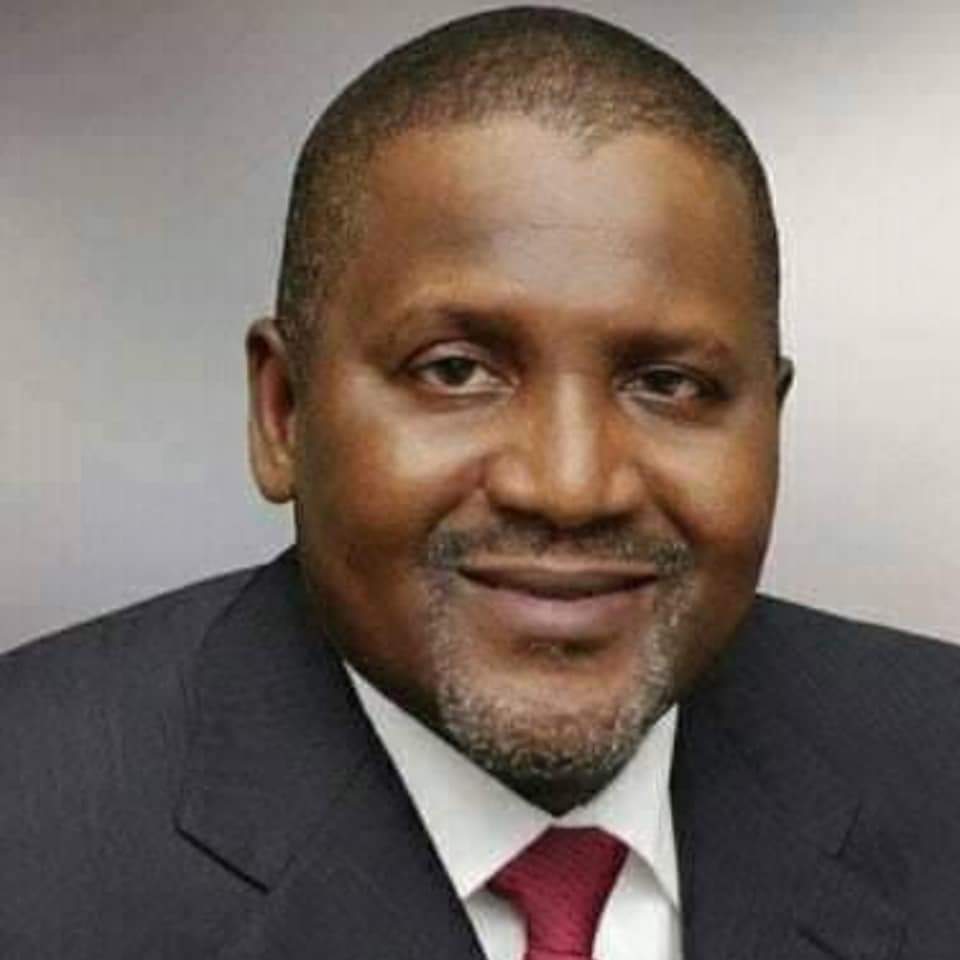

Foremost industrialist, Aliko Dangote, has called for urgent de-escalation of the ongoing crisis in the Middle East, warning that prolonged instability could have severe economic consequences for Nigeria and other African nations.
Dangote made the remarks on Monday in Lagos after a courtesy visit and Eid-el-Fitr homage to President Bola Ahmed Tinubu.
He said while Nigeria is not directly involved in the conflict, the country remains vulnerable due to global economic interdependence, particularly in the oil market.
“We are part of a global village, and developments like this will affect us even if we are not directly involved,” he stated.

Dangote warned that sustained tensions could drive up fuel prices, increase transportation costs, and worsen inflation across Africa, placing additional strain on already fragile economies.
“If the situation does not de-escalate, we will end up paying a heavy price, especially given existing economic challenges,” he said.
He also highlighted the risk of mounting fiscal pressure on governments, noting that rising subsidies and fluctuating oil revenues could worsen Africa’s growing debt burden and limit economic resilience.
According to him, escalating energy costs would impact all sectors—from small businesses to large-scale manufacturing—while also affecting household consumption.
Read Also:
“Energy affects everything. From barbers to industries running generators, everyone will feel the impact,” he added.
Dangote noted that some countries have already begun adopting coping measures such as reduced workdays, energy rationing, and remote work, but warned these could reduce productivity and livelihoods, especially among vulnerable populations.
He urged global leaders to prioritise peace, stressing that many Africans depend on daily income for survival.
“If they don’t work, they don’t eat. So we must pray this situation comes down quickly,” he said.
On President Tinubu’s recent visit to the United Kingdom, Dangote described it as a positive step that has opened new economic opportunities and strengthened investor confidence in Nigeria.
He noted that agreements reached—particularly in infrastructure and financing—signal growing international support for Nigeria’s reform agenda and could boost sectors such as port development and trade efficiency.
Dangote added that increased confidence could attract further investments from countries like Germany, while also enabling Nigerian businesses to access international financing and technical support.
He reaffirmed his support for the Tinubu administration, expressing optimism that ongoing reforms and global partnerships would drive sustainable economic growth.