

A court in the United States has ruled in favour of Mountain of Fire and Miracles Ministries USA, Inc. in a defamation case against Olufunke Ashekun, bringing to a close a dispute that drew attention within religious and public circles.
The judgment was delivered on March 13, 2026, by the Baltimore County Circuit Court in Maryland after proceedings in which the ministry alleged that it had been defamed through false and damaging statements. Following its review of the evidence and arguments presented, the court awarded the ministry $300,000 in damages. The amount includes $250,000 in compensatory damages and $50,000 in punitive damages.

According to reports on the case, the verdict was reached unanimously by the jury. The court found that the statements at the centre of the suit were defamatory and had caused harm to the reputation of the ministry and its General Overseer, Dr. D.K. Olukoya.
The ruling represents a significant legal outcome for the church, which had argued that the statements in question misrepresented its activities and leadership. For the ministry, the decision is seen as a formal judicial response to claims it considered damaging to its image and standing.
Read Also:
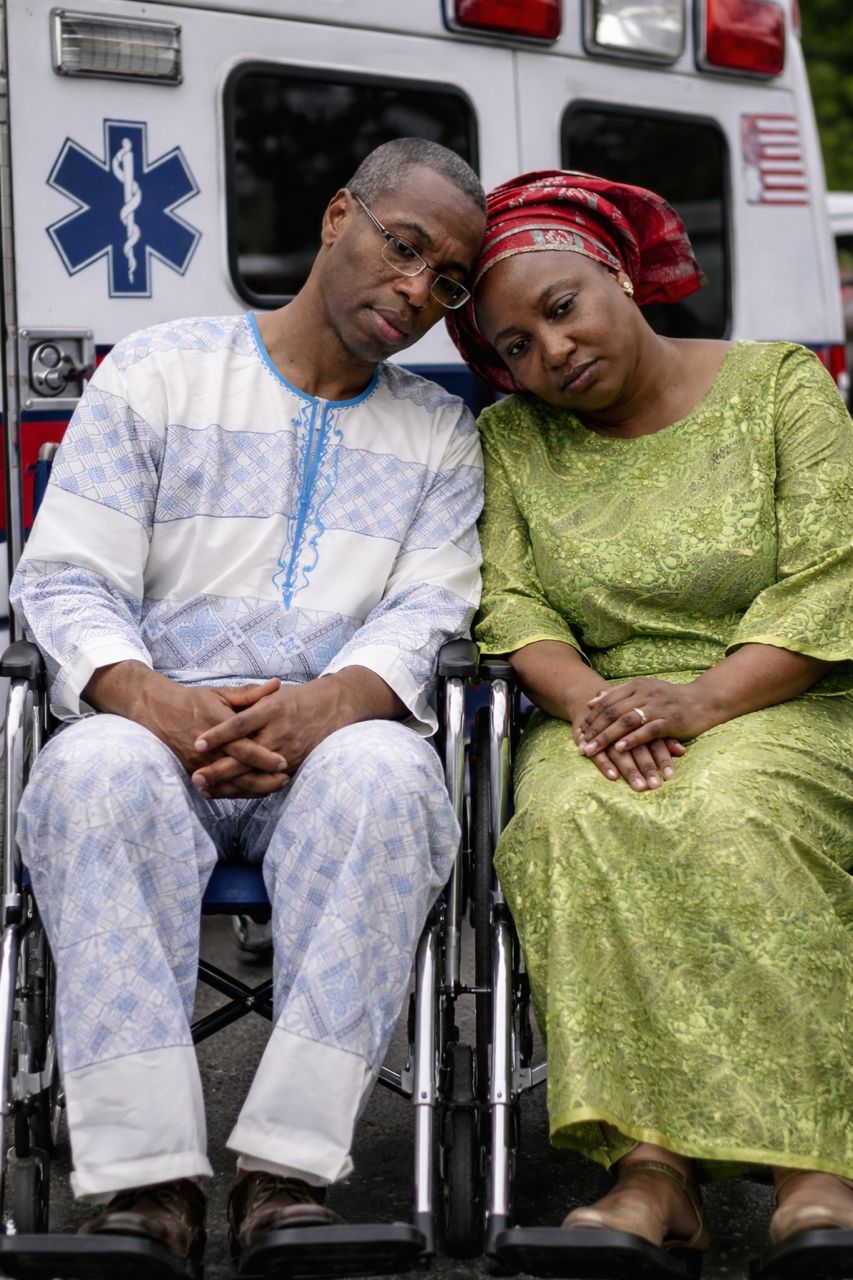
Courtroom proceedings were also marked by reports of medical emergencies involving the defendant and her husband. According to accounts from those who followed the case, Olufunke Ashekun reportedly collapsed in court a day before the verdict was delivered and was taken away for medical attention. Reports also indicated that her husband experienced a similar episode while appearing in court the following day. These incidents, while separate from the substance of the legal decision, added a dramatic dimension to the proceedings.
The case has attracted interest partly because of the profile of Mountain of Fire and Miracles Ministries, a globally known Pentecostal church founded by Dr. Olukoya. Over the years, the ministry has built a large following in Nigeria and abroad, making any legal dispute involving its name and leadership a matter of public attention among members and observers.
Legal experts note that defamation cases often hinge on whether statements can be shown to be false, damaging and made without lawful justification. In this instance, the court’s award suggests that the jury was persuaded that the statements complained of met that threshold and caused measurable harm.
Beyond the damages awarded, the ruling may also carry wider implications for disputes involving reputation, public commentary and religious institutions. It underscores the readiness of courts to intervene where reputational harm is established and may serve as a reminder of the legal consequences of defamatory statements.
For now, the judgment stands as a notable conclusion to a closely watched case, one that combined legal arguments, public interest and unexpected courtroom drama.