
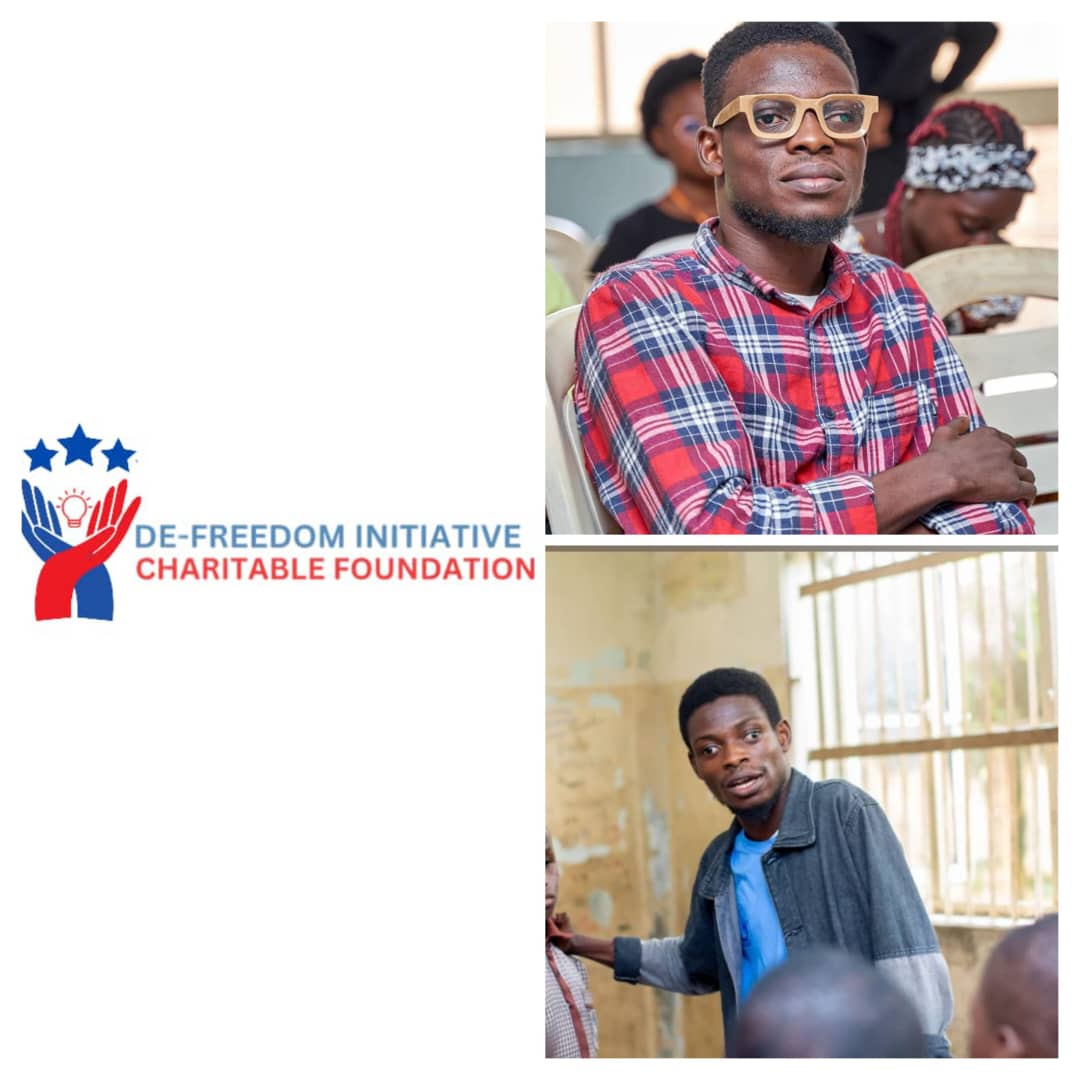

A non-governmental organisation, De-Freedom Initiatives Charitable Foundation, has called for enhanced parental supervision and moral upbringing as key measures to tackle growing social challenges among young people.
The Chairman of the Foundation, Emmanuel Olanlokun, made the call during a youth-focused engagement programme that addressed leadership, personal development, menstrual health education, and skill acquisition for students, particularly in girls’ schools.
Olanlokun stressed that while schools are essential for academic learning, the primary responsibility for shaping children’s character lies with parents and guardians. He noted that rising cases of negative peer influence among youths require more intentional supervision and engagement from adults.

He cautioned that granting children freedom should not amount to neglect, urging parents to remain actively involved in their children’s lives. According to him, consistent monitoring and guidance are crucial in preventing young people from being influenced by harmful behaviours.
Read Also:
The programme also underscored the importance of menstrual health awareness, equipping young girls with the knowledge and confidence to manage their well-being.
Participants were further trained in basic vocational skills aimed at promoting self-reliance and preparing them for future opportunities.
Olanlokun emphasised the need to prioritise moral instruction at home to complement formal education, noting that values instilled within the family often shape long-term behaviour.
He also highlighted the importance of emotional intelligence and mental health awareness in raising well-rounded individuals, urging parents to maintain open communication and better understand their children’s environment.
The Chairman cited instances where timely parental intervention helped redirect children from negative peer groups, stressing that consistent guidance can significantly influence positive outcomes.
The Foundation further called for stronger collaboration among parents, educators, civil society organisations, and government agencies to nurture responsible future leaders, noting that youth development remains a shared responsibility.